
Many Yuanye stories carry the scent of food, and they do not always begin with success. The first Lemon Bavarois became a memorably disastrous “liquid cake.” Yet through preparing, mixing, waiting, failing, and trying again, visiting and local friends grew closer. Later, ideas born in the kitchen travelled to the market, where a food sale became an air conditioner that would remain in the reading room.
Food We Made Together
The “Liquid Cake”|Our First Lemon Bavarois
Chiu Du and friends at Yuanye
Making food together|Hewan, 2023
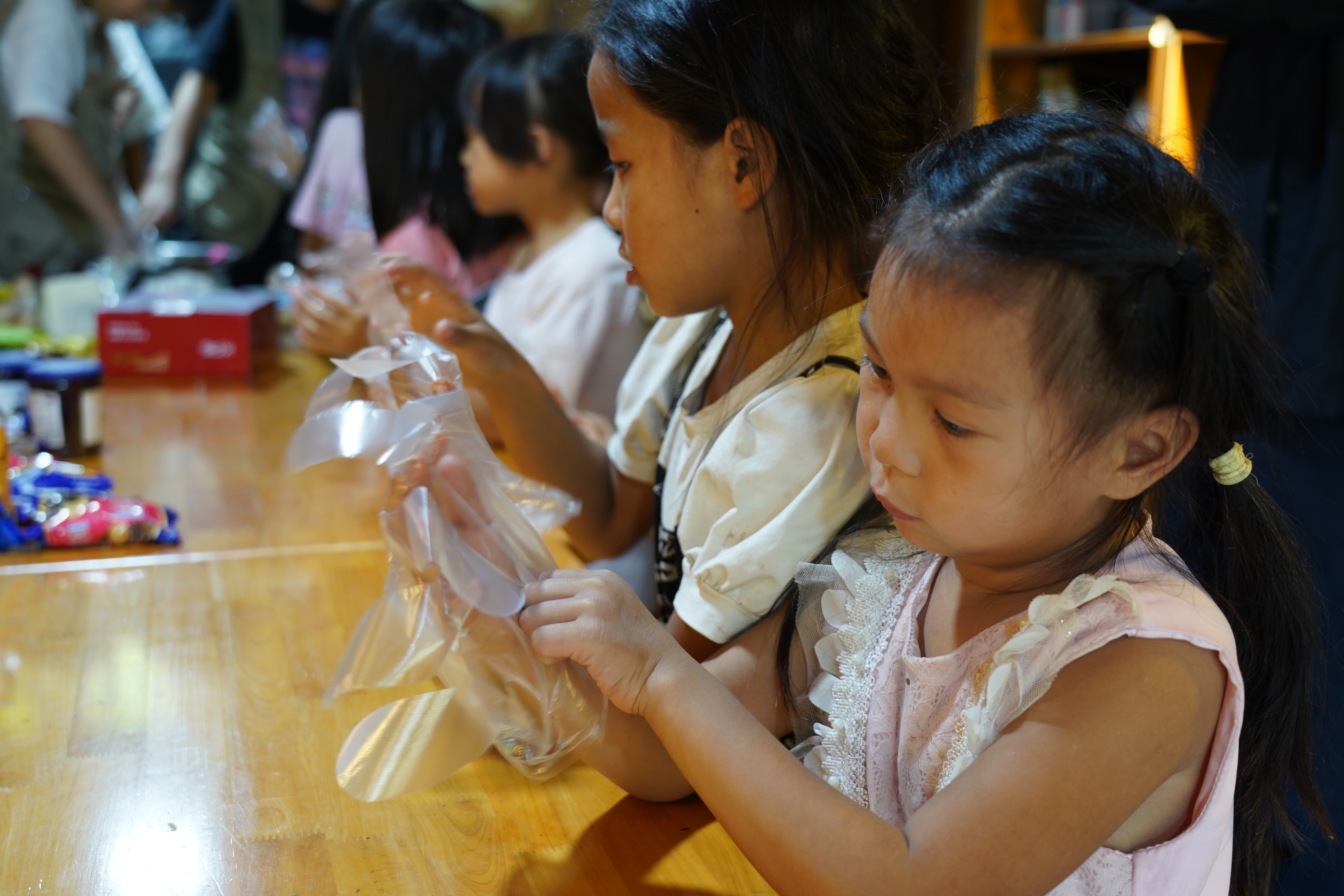
Chiu brought an elaborate set of ingredients to make a new dessert with friends in Hewan. Only when the work was about to begin did everyone discover the essential problem: there was no oven to be found in town.
Something new had certainly arrived, but the result was an unset “liquid cake” and considerable embarrassment for its maker. To Chiu’s surprise, the children were not disappointed. They enjoyed touching the ingredients, mixing, experimenting, and waiting together, without requiring a perfect result for the afternoon to matter.
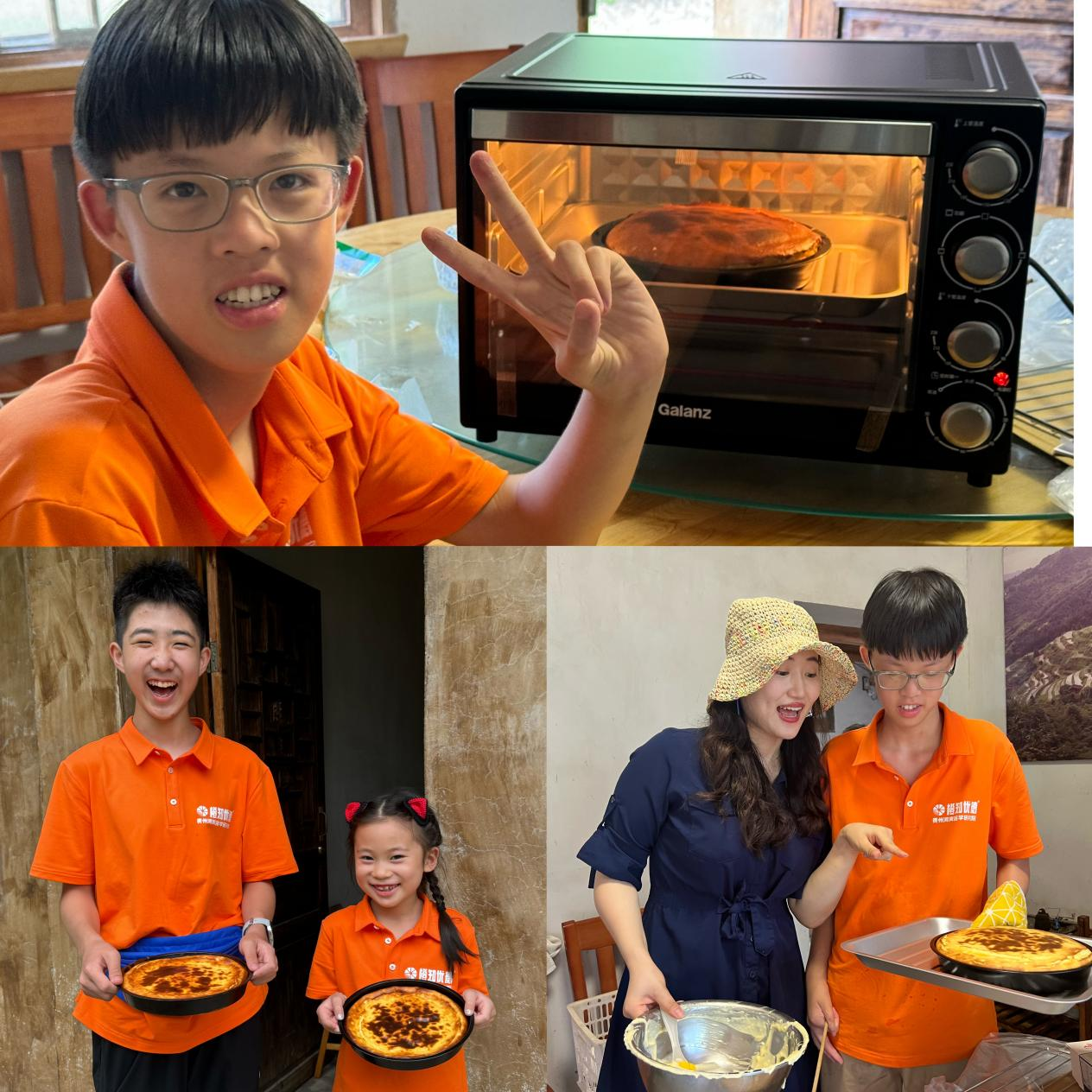
Four Basque Cheesecakes|A Comeback
Chiu Du and friends at Yuanye
Anniversary cakes|Hewan, 2024
Before returning to Hewan, Chiu arranged for an oven to be added to Yuanye. This time, he invited everyone to make Basque cheesecakes.
The kitchen was hot and close, with a mysterious trace of chilli in the air. To make enough for everyone, Chiu spent four hours there and baked four cakes. This time the tops browned and the centres remained rich and creamy. The original account celebrates the result with affectionate bluntness: Chiu had regrouped and finally redeemed his earlier failure.
The failed cake was never edited out of the story. It is precisely what made the four successful Basques taste so good.
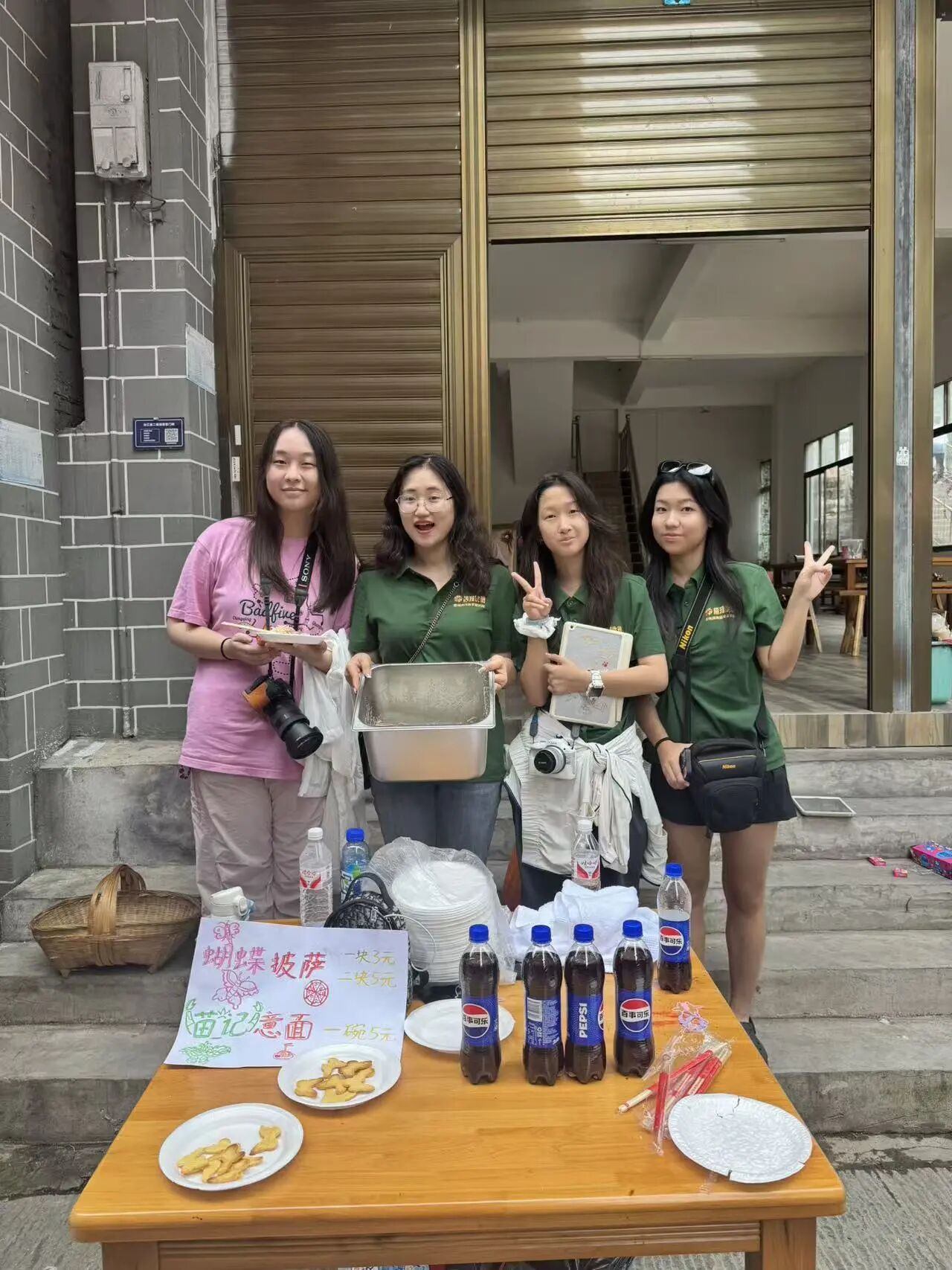
Yuanye Market Menu|Butterfly Biscuits, Pasta, and Pizza
Co-created food and benefit sale|Shidong, 2025
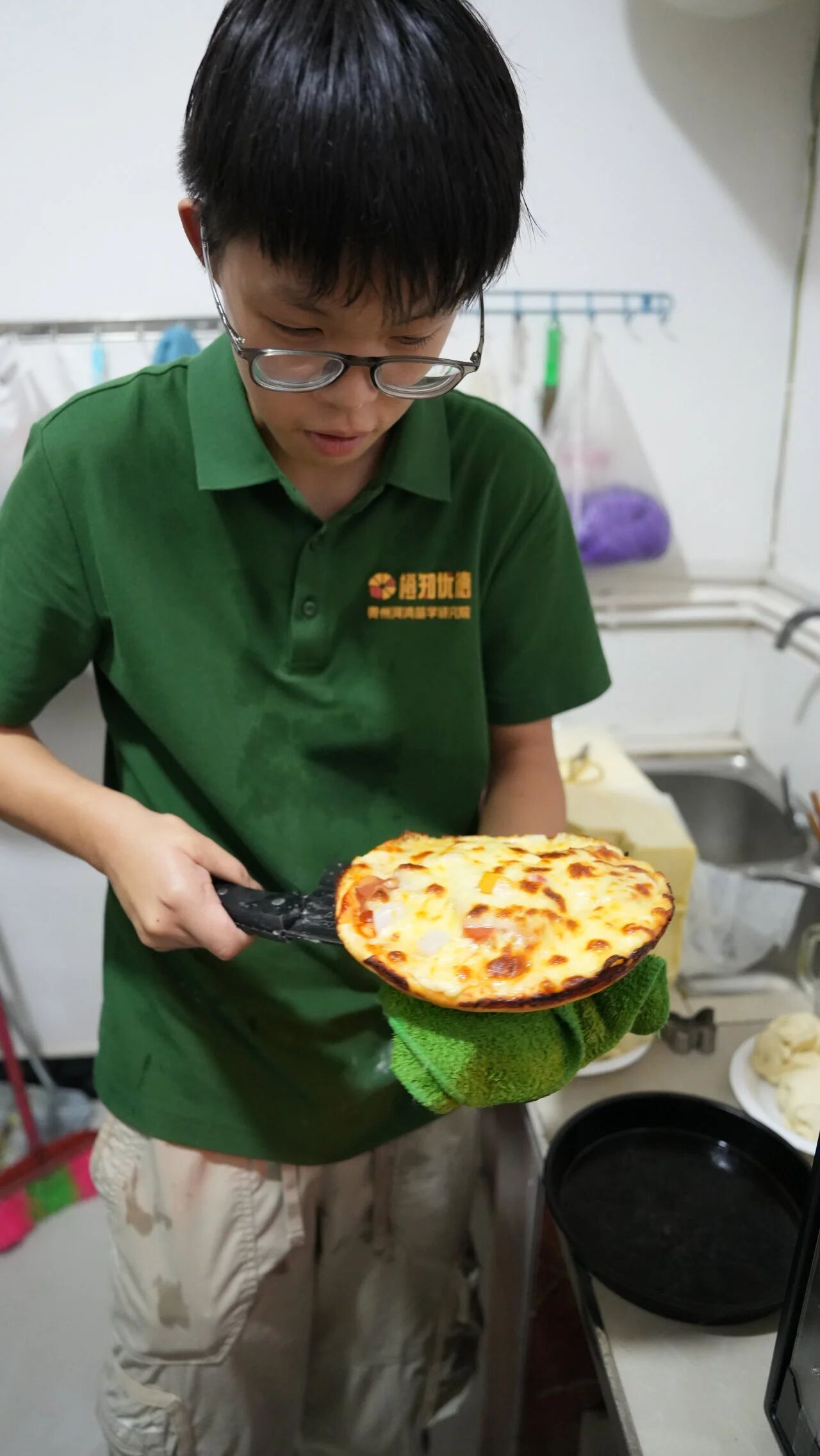
Food later moved beyond the reading-room kitchen. Together with friends from Hewan, we brought butterfly biscuits carrying Hmong-inspired motifs, pasta, and pizza to the market, moving from production into real exchange.
Beforehand, the group visited milk-tea shops, steamed-bun stalls, and embroidery businesses to observe how everyday commerce worked in Shidong. Then we prepared, cooked, set up the stall, welcomed customers, and placed each finished dish into the hands of an actual buyer.
This was not an activity staged for a photograph. The income had a clear destination: an air conditioner for Yuanye, so that reading, writing, and gathering could continue more comfortably through the summer.
Our First Kitchen Attempt Failed
The Lemon Bavarois plan seemed thorough. A recipe had been chosen and complex ingredients carried from the city. All that remained was to place the cake in an oven.
The field, however, has a direct way of showing how a plan that feels obvious in one environment can fail at its most basic step elsewhere. No oven could be found. A dessert intended to hold a light, delicate form became a bowl of moving embarrassment.
Judged only by its outcome, the attempt failed. Yet our friends in Hewan did not lose interest. Handling unfamiliar ingredients and watching them change through mixing was already enjoyable. The cake that never stood upright taught us something important: the joy of making together does not need to wait for a perfect object at the end.
The Next Time We Returned, We Brought an Oven
Chiu did not forget the liquid cake. Before coming back to Yuanye, he sent an oven ahead and quietly prepared for a rematch.
Making Basque cheesecake was not especially romantic. The kitchen was hot, and time stretched across repeated rounds of baking. For four hours, cream cheese, eggs, and sugar were measured, mixed, poured, and placed in the oven. Only when the surfaces finally reached their deep brown colour did everyone have a cake that could truly be cut and shared.
At the anniversary gathering, the cakes were divided among the group. Food connected a small failure to a new reunion, while the oven became more than equipment: it became the starting point for future things to be made together.
From the Kitchen to the Market
First, Observe How a Business Happens
In 2025, we did not rush immediately into opening a stall. We entered milk-tea shops, bun stalls, and embroidery businesses across Shidong to observe products, customers, and the rhythms of everyday trade.
When observation became action, the food sale formed a complete, real project. What should we make? How should it be produced? How might food connect respectfully with Hmong culture? How would we meet actual customers? Every question required a shared decision.
A Menu Carrying Hmong Motifs
Butterfly biscuits connected a familiar food with Hmong visual language, while pasta and pizza brought another strand of everyday experience into Shidong market. They did not attempt to replace local food. They created an exchange: we brought what we knew how to make, while learning the pace of the place through preparation, selling, and conversation.
The market has long been where surrounding villages trade, meet, and maintain relationships. When the Yuanye stall appeared, food became another kind of invitation card. Some people came for the aroma, some stopped because of a motif, and some first heard the reading room’s story after buying a serving of pasta.
The “Air-Conditioner Story”
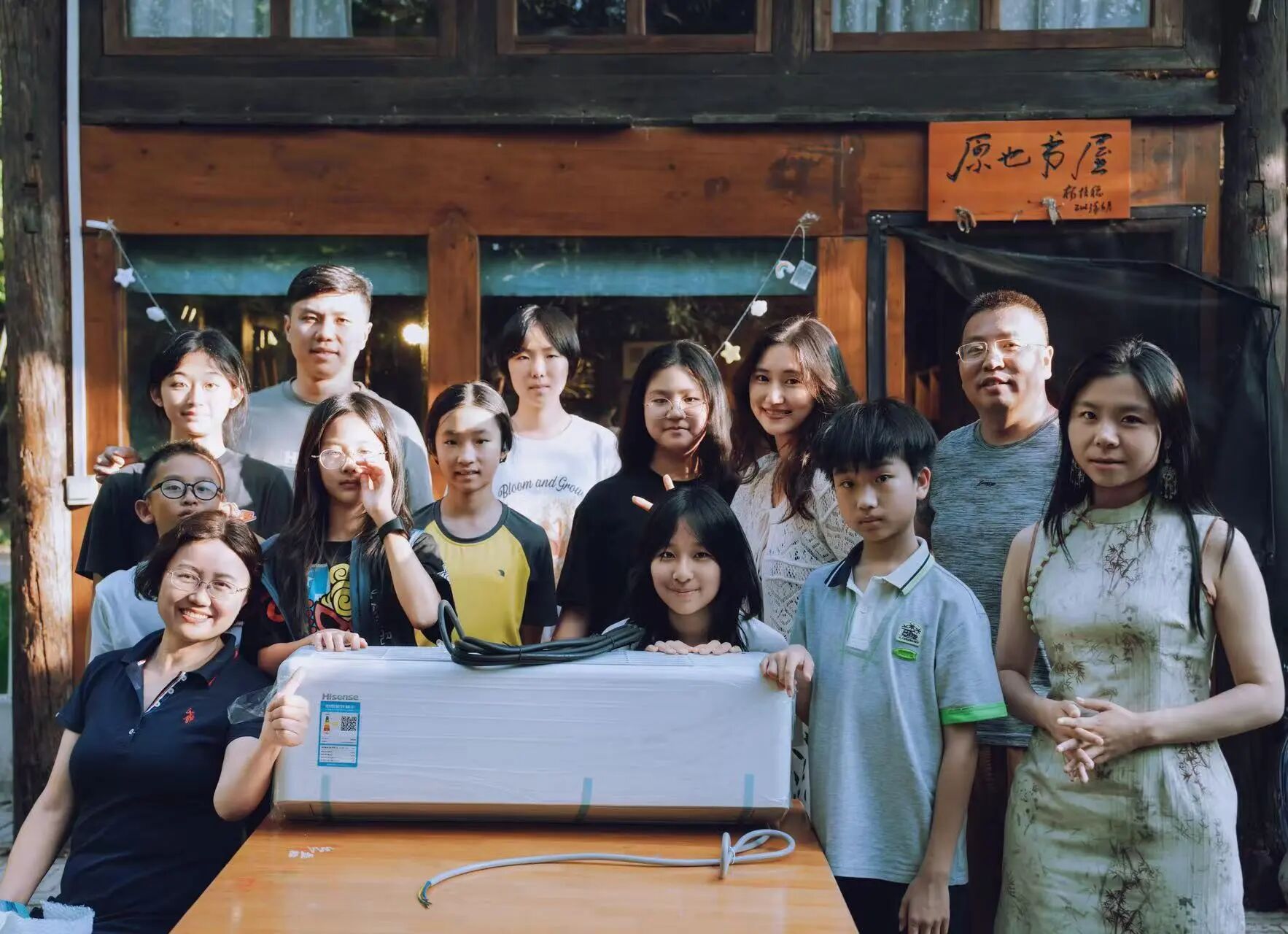
The proceeds from the market bought an air conditioner for Yuanye.
It sounds like a practical outcome, yet it records a complete process of solving a shared problem. The room became very hot in summer, and everyone who used it experienced that need. Rather than leave one side to address it alone, we began in the kitchen and looked for an answer together at the market.
The air conditioner therefore seems to hold an entire summer: flour on hands, the scent of tomato sauce, calls from the stall, the confusion of change, and the collective release when the last serving was sold.
We sold more than food. Every act of mixing, baking, carrying to the stall, and passing a dish to a customer moved Yuanye from something people joined towards something we learned to care for together.
Why Food Belongs at Yuanye
A reading room could speak only of books. At Yuanye, however, reading, poetry, play, and food have never been cleanly separated.
Cooking together requires division of labour and tolerance for failure. Running a stall means meeting strangers, solving sudden problems, and sharing responsibility for the result. Food makes a relationship tangible: it can be cut, shared, sold, and turned into something the room genuinely needs.
From liquid cake to Basque cheesecake, from the kitchen to the market, and finally to cool air moving through the reading room, food shows that co-creation does not happen only in ambitious plans. It also happens around a bowl, a baking tray, and a chaotic, joyful stall.