
At Yuanye, poetry was never an isolated writing assignment. It often began after a full day in the field: returning from the Qingshui River, hearing an old song in a family hall, watching thread move through an elder’s hands, or finishing a game with a new friend. Before these experiences could be neatly explained, we sat together and let young, honest lines turn what we had seen and heard into poems.
Poems from Yuanye
[诗题 01|魏奕伊 Jessy|2025 ]
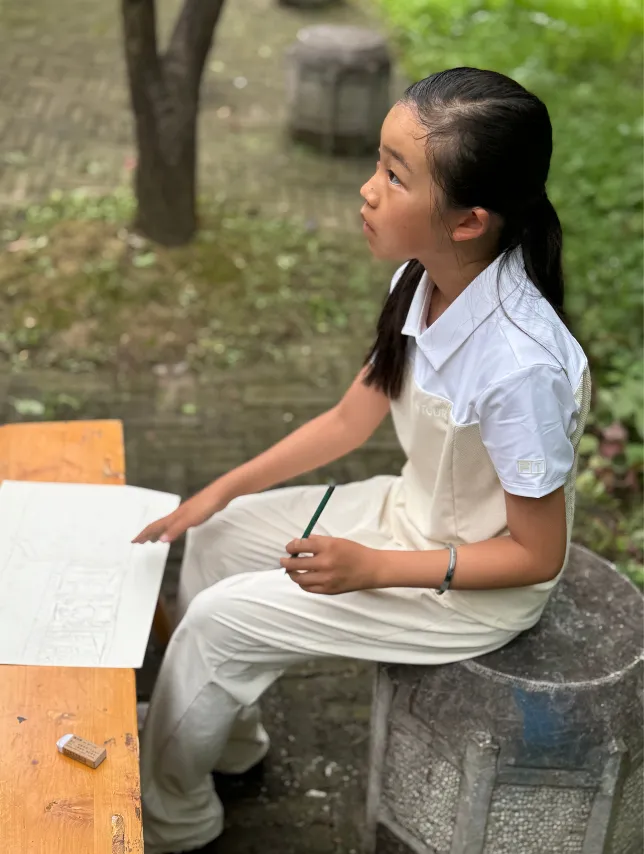
原也书屋诗歌作品:
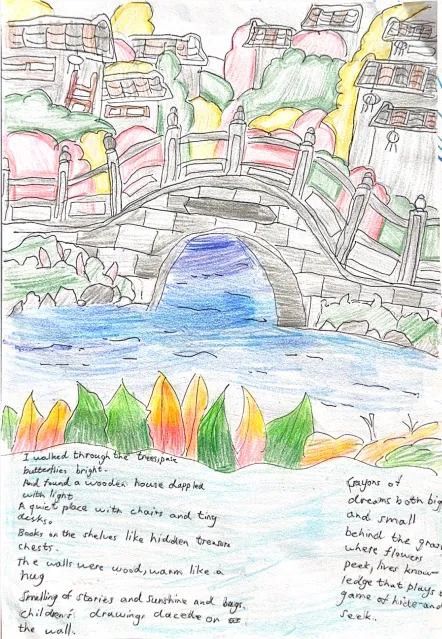
------------------------------------------------
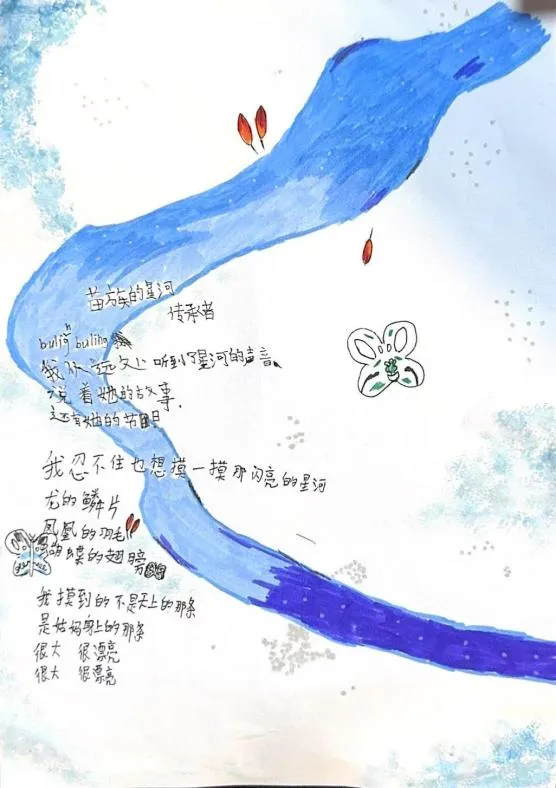
[诗题 02|牟筱熙 Cathy & 邹东霓 Camilla|2025 ]
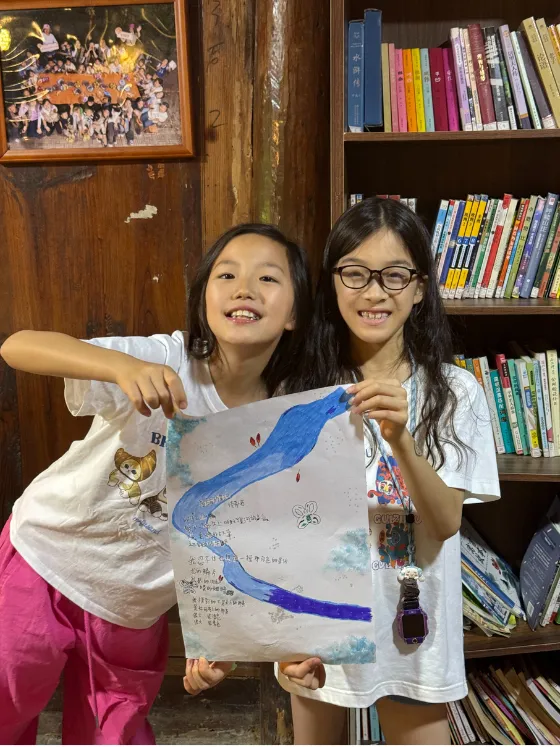
原也书屋诗歌作品:
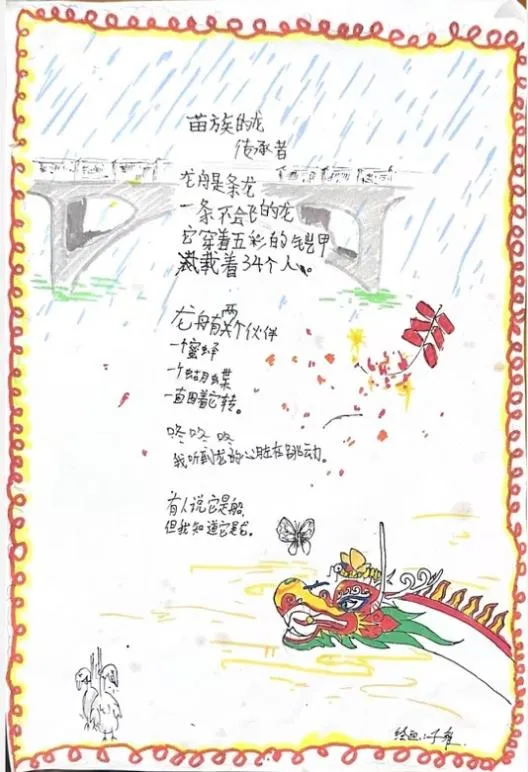

------------------------------------------------
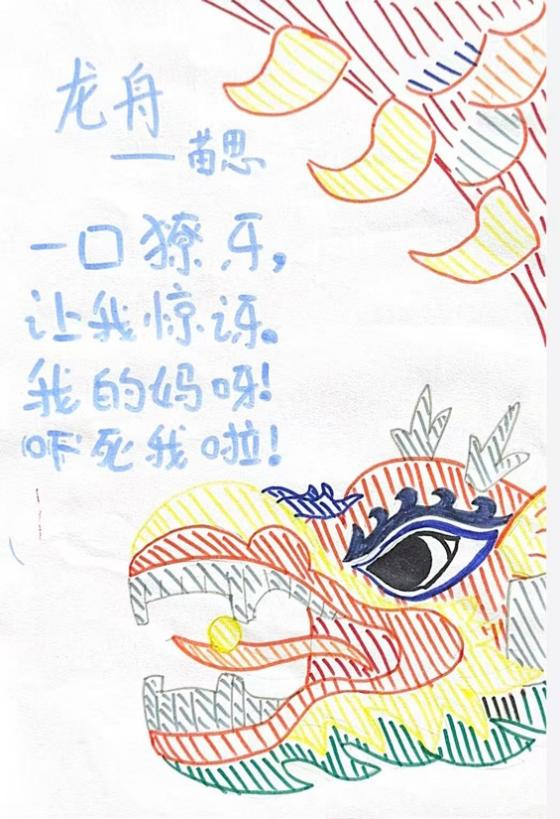
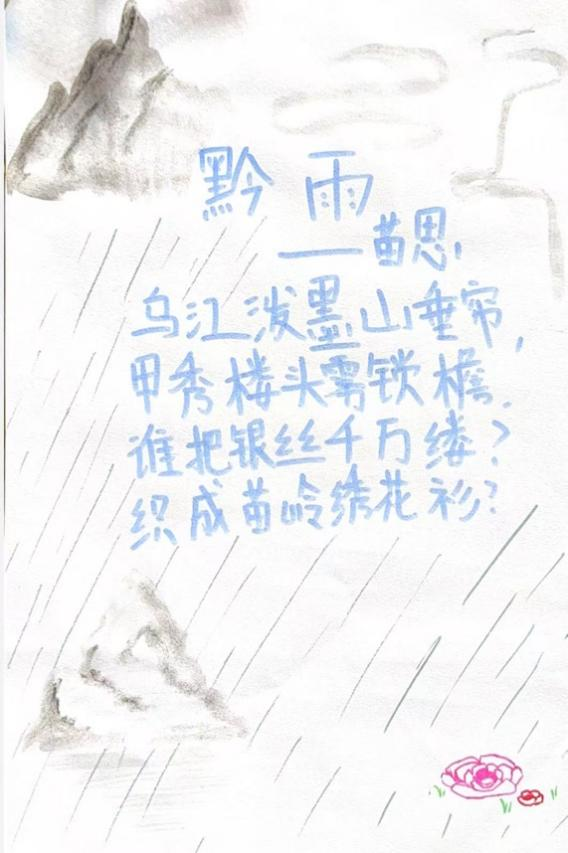
[诗题 03|牟晨珲 Maggie & 沈聆轩 Apple|2025 ]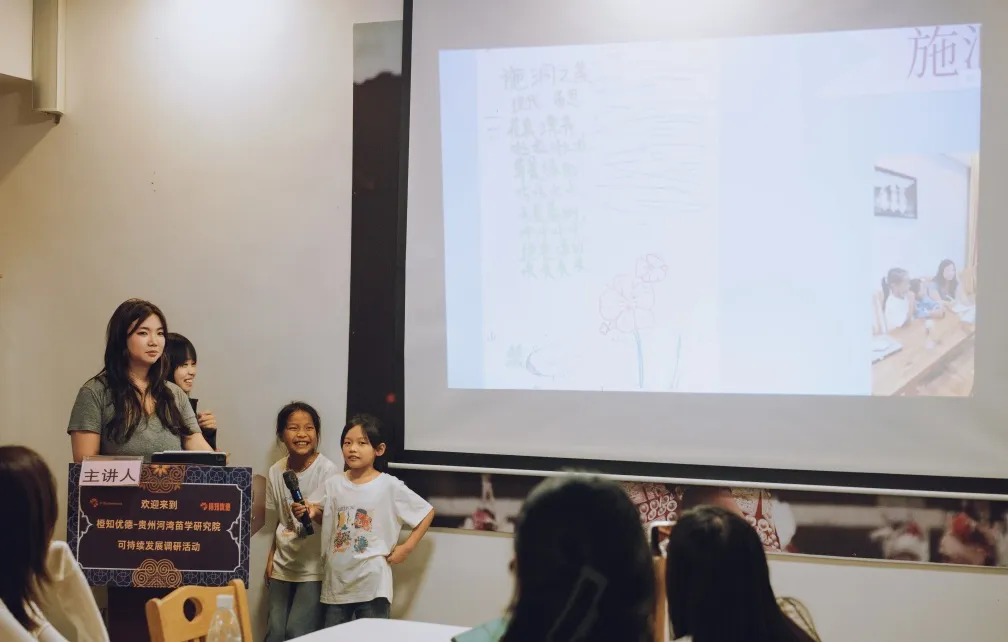
原也书屋诗歌作品:

------------------------------------------------
[诗题 04|邹东延 Xavier|2025 ]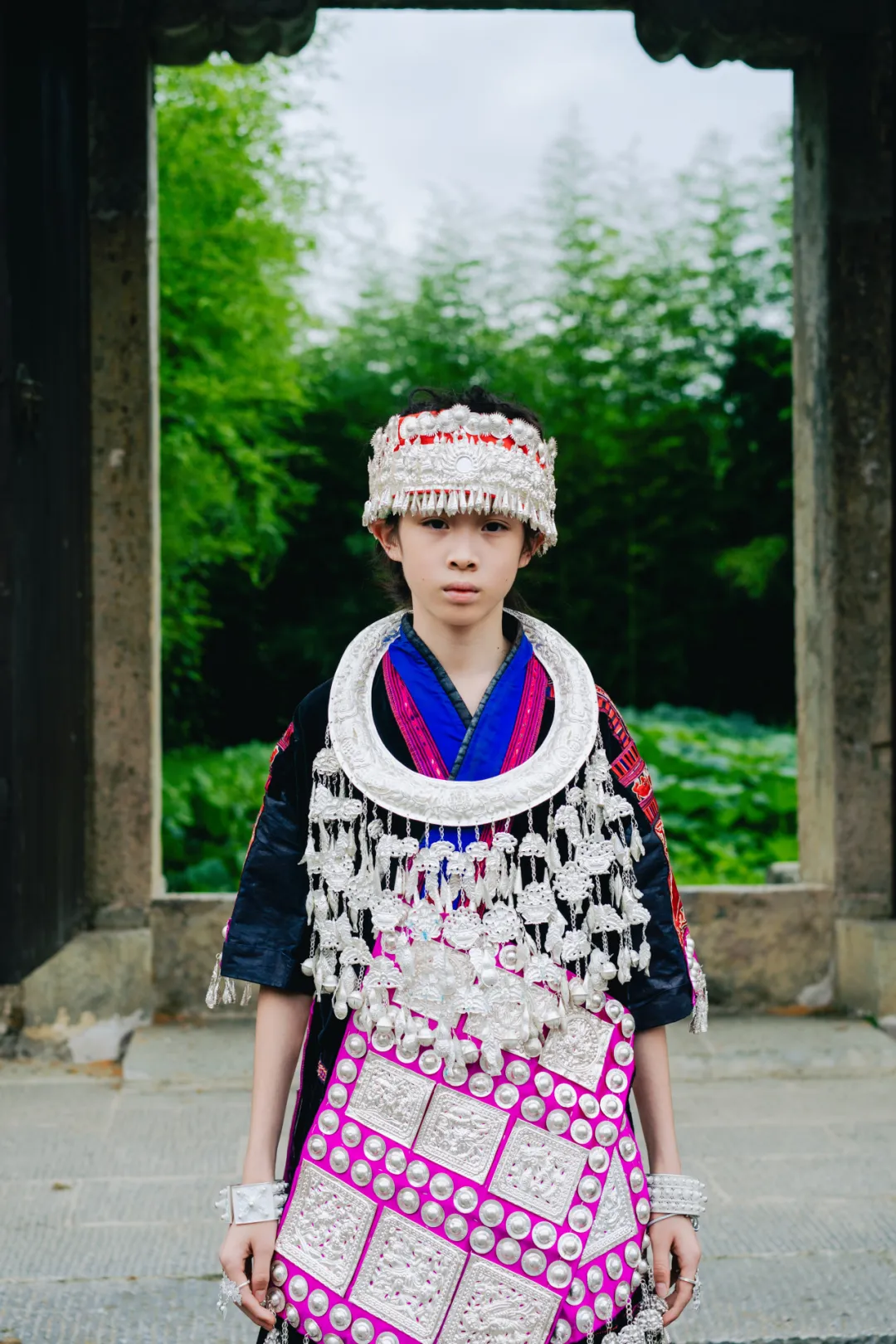
原也书屋诗歌作品: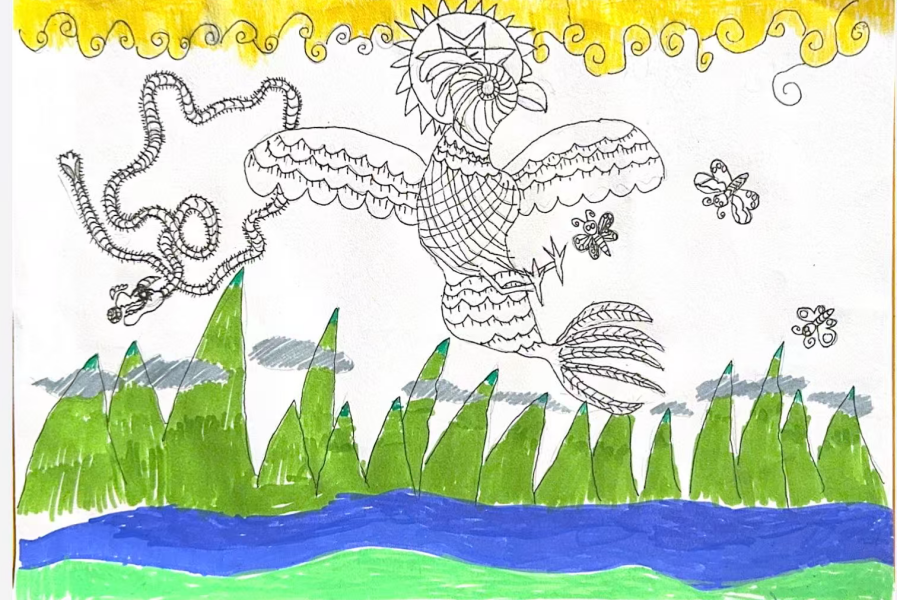
------------------------------------------------
[诗题 05|杜诗琪 Ciggie & 张斯棋 Angel|2025 ]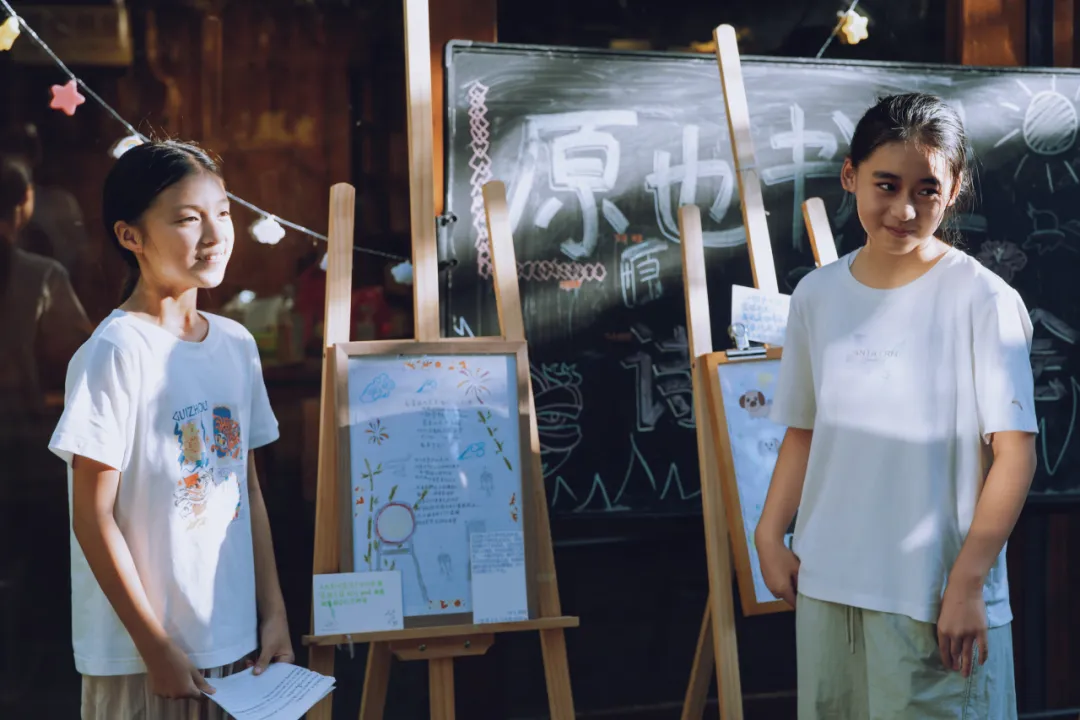
原也书屋诗歌作品:
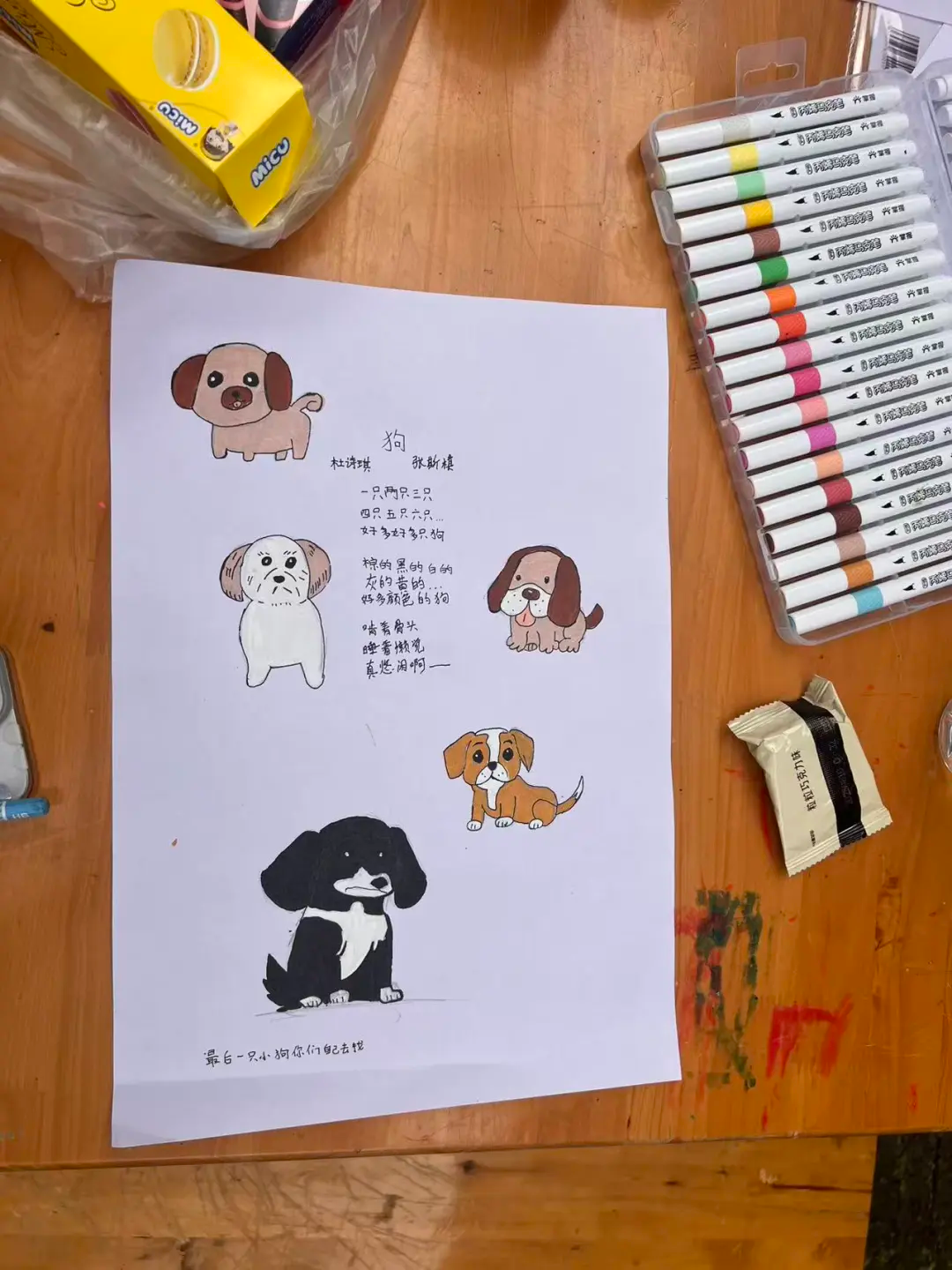
------------------------------------------------
An evolving collection
Additional works may appear as cards showing the title, author, and one or two lines. Each card can open a dedicated reading view with complete lineation, manuscript, and creation story. Interweaving poems by Hewan and visiting youth will allow the page itself to express the relationship of writing together.
Where These Poems Began
From the Field Back to a Page
Writing began with entering everyday life. We walked beside the Qingshui River, listened to conversations at the market and old songs in family halls, and paused over embroidery held in someone’s hands. Through field visits, interviews, observation, and discussion, the creative writing group transformed village life, festival ritual, landscape, and human encounter into poetry, prose, and writing in English.
This was not a matter of copying an itinerary. It meant finding the detail that remained after the day’s spectacle had passed: yellow light through a window at night, bamboo sounding like a record that never stopped turning, or the expression on a friend’s face as they began to speak.
Writing Beside a Culture of Old Songs
The Hmong have no traditional written script of their own, yet old songs passed from voice to voice have carried stories of creation, migration, love, ritual, and farming across generations. A song may continue for hours, and it is never merely literature separated from life; it remains bound to family, ceremony, kinship, and community.
Writing poetry in such a cultural setting requires humility. Our poems do not deliver conclusions about Hmong culture, nor do they speak on behalf of the people we met. They record how an encounter moved the writer, what questions began to form, and what moments remained unforgettable even before they were fully understood.
Reading to One Another
Yuanye’s poems should not remain silent on paper. After writing, we read them to one another. A pause, an uncertain breath, or a change of tone gave the same line another life, while listeners’ responses carried a private poem back into a shared room.
Friends from Hewan wrote about rivers, families, and festivals they knew intimately. Visiting youth wrote about the surprise—and sometimes awkwardness—of approaching those lives for the first time. The two perspectives did not need to become identical. What mattered was the willingness to listen and to show one another the world as each person saw it.
Poetry did not preserve an entire summer. It kept a breeze, a song, a person’s smile, and the reason we chose to sit together in that moment.
Curating the Poetry Page
Treat the Manuscript as Part of the Work
The poem itself should remain the dominant visual element. Preserve young authors’ lineation, vocabulary, and rhythm, correcting only indisputable transcription errors. Do not over-edit a poem merely to make it appear more “mature.” Its youthfulness, leaps, and moments of uncertainty are part of the work’s original texture.
Bring Text and Voice Together
Where possible, invite authors to record their own readings and place the audio beneath the title. Manuscripts and quiet images of the reading room, riverbank, bamboo, embroidery, or summer night may accompany the poem without overwhelming it.
Let Every Poem Carry Its Place of Origin
Each work may include a brief note: when it was written, what scene prompted it, and which moment the author most wanted to retain. The note is not an official interpretation. It simply allows readers to see how a poem grew from a real encounter.