
Our bus wound through the mountains of Qiandongnan. Dazzling green slopes rose on one side; water sank deep into the valley on the other. Surrounded by green, we briefly forgot where we were.
On our previous visit to Shidong, we had followed the dugout dragon boats. This time, we returned to open another small window onto the immense world of Hmong culture: the Sisters’ Festival.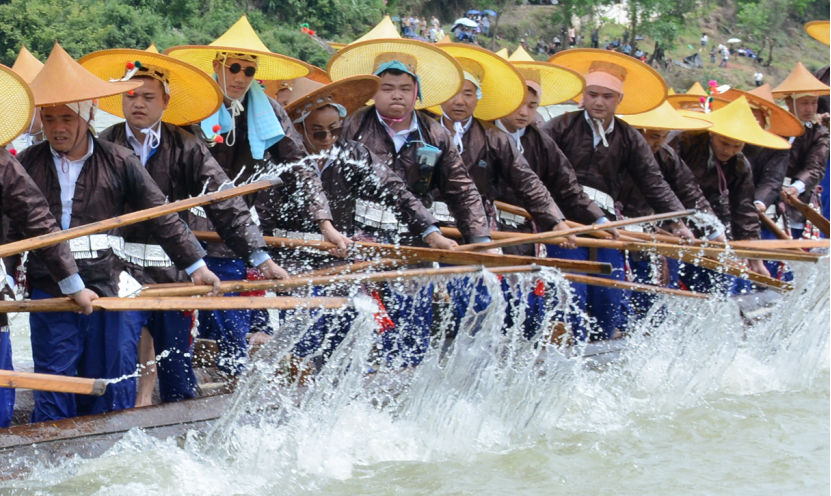
We pushed open Hewan’s heavy gate and followed the familiar winding path. The same brilliant evening sky met us, along with sizzling food and bowls of home-brewed liquor at the long tables.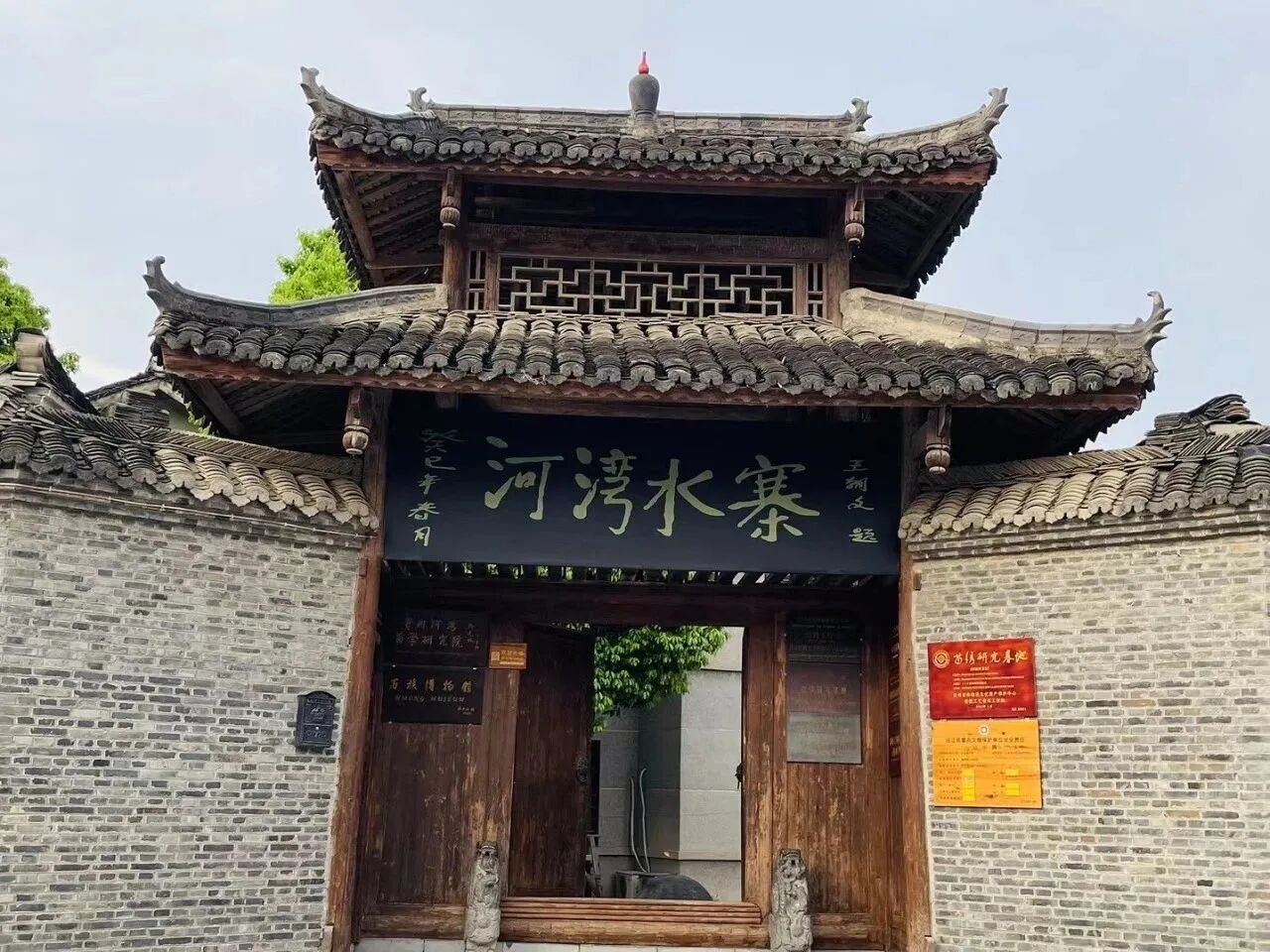
Most stories in Hewan begin at those tables.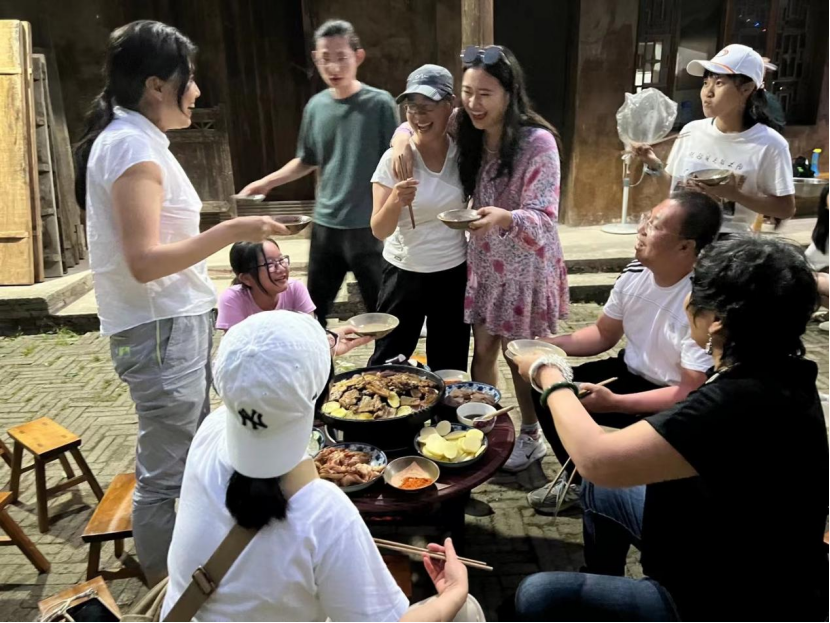
Researchers, village residents, filmmakers, photographers, first-time visitors, and old friends sat together. Their labels rarely mattered over dinner. Conversation kept returning to questions without fixed answers:
Who am I?
Where do I come from?
Where am I going?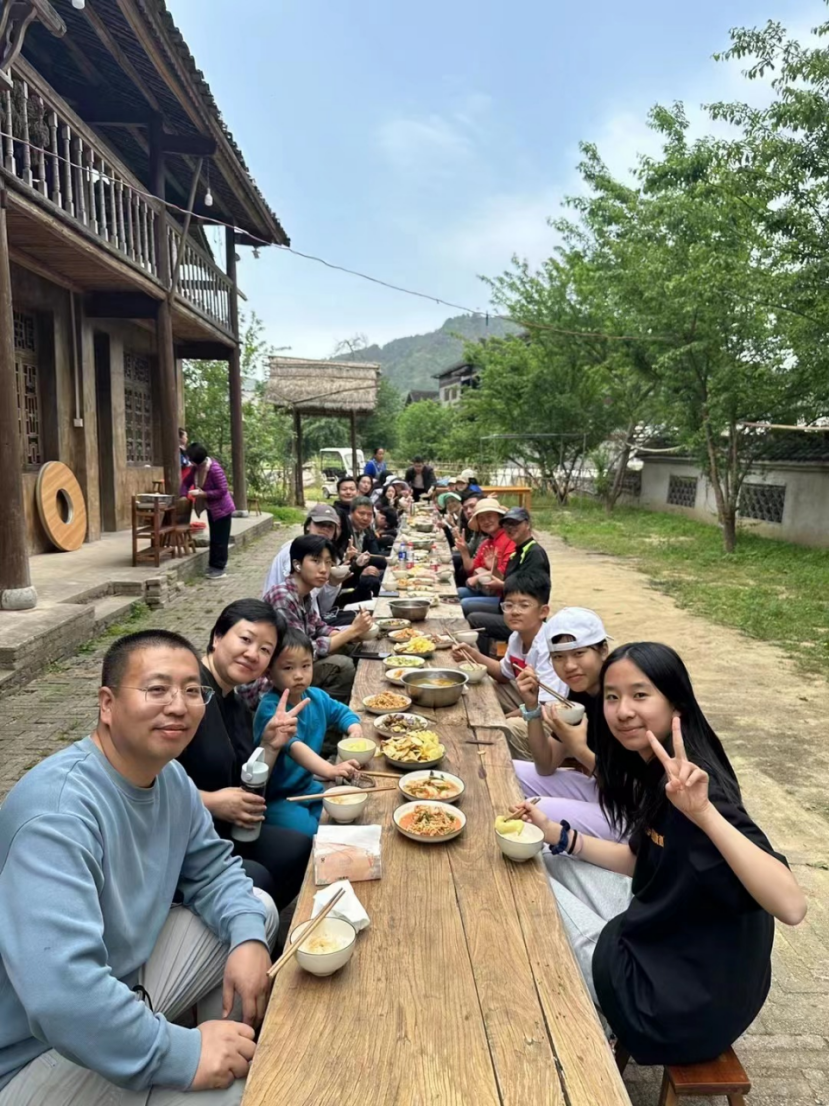
The rhythm of our days
Our life in the villages followed a simple rhythm.
At eight, we got up for rice noodles and left while the day was still cool. We returned for lunch—or ate wherever we happened to be—and continued walking and talking through the afternoon. After dinner, we gathered again and laid out what we had heard, what we had seen, what we had failed to understand, and what we still could not explain.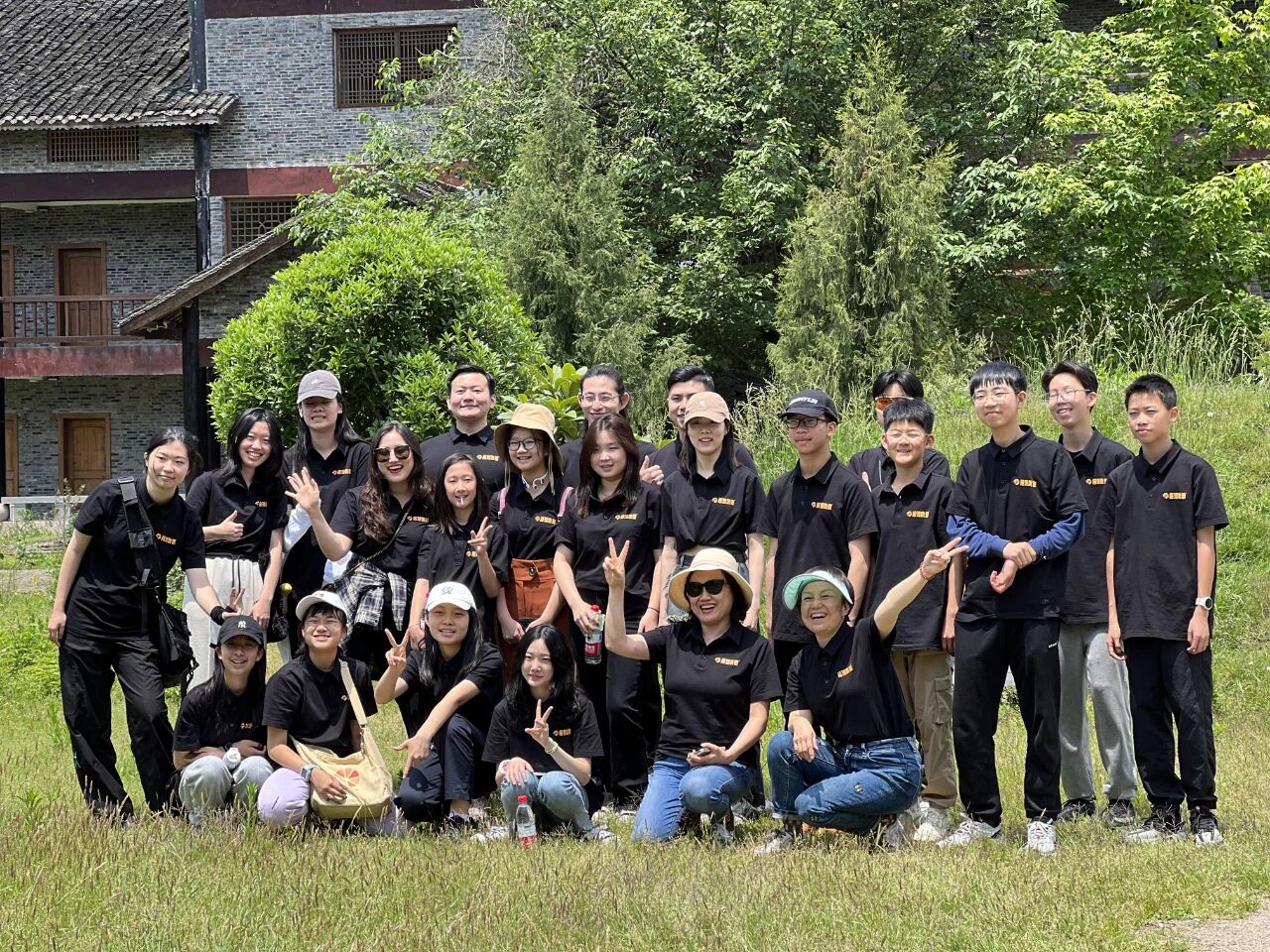
Each of us entered different homes and villages, so each returned with a different story. One person lingered over a paper embroidery pattern at the market; another followed a welcoming procession onto the highway; someone else sat beside a household hearth listening to an elder. At night, our limited views slowly joined together.
If word came that Pianzhal was welcoming Jiuzhai, or that a bonfire had been lit beside the Qingshui River, we rose from the table—even after dark—and headed straight there. Daytime conversations, songs and dances at night, and long talks after we returned made the nine days feel less like an itinerary than a life carried forward by chance encounters.
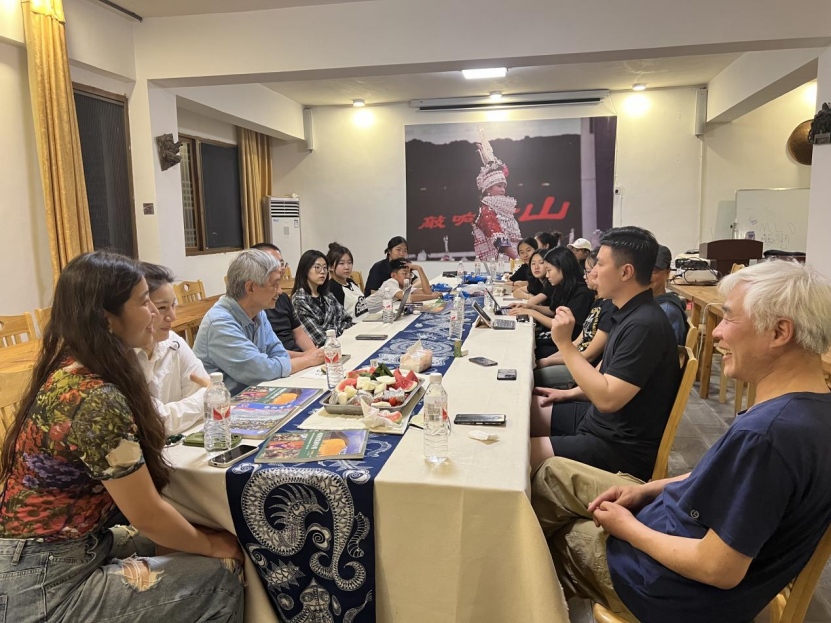
Fieldwork asks us to enter local life, but entry is never automatic. Each person finds different relationships and openings. We could set out with questions; we also had to leave enough room for accident.
Taking Wanglaoji to “invite ourselves” to dinner
We must tell the story of our much-anticipated home visits—or, as we jokingly called them, “inviting ourselves to dinner.”
During the festival season, many Hmong households welcomed the bustle of guests. A case of Wanglaoji herbal drink, a bag of cherries or plums, and sometimes a freshly prepared chicken might accompany an invitation inside, where food and conversation followed.
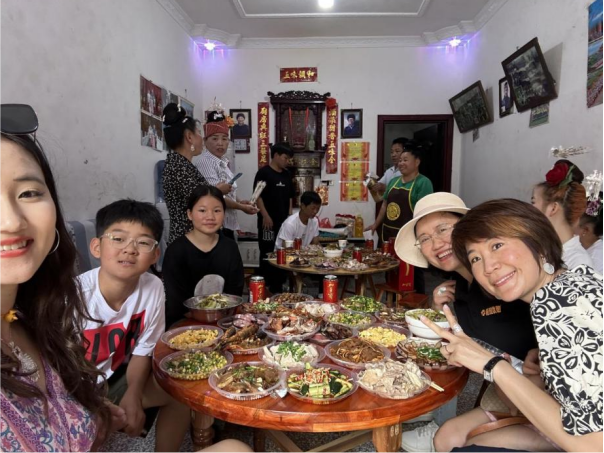
At first, we were embarrassed. We did not know where to sit and worried that a question might sound intrusive. After several visits, we became practiced offenders: sit first, eat first, listen to what had been happening in the household. The interview could wait.
The most memorable sight was one father walking through the village with Wanglaoji in one hand and a large bag containing a newly dressed chicken in the other. By then, he looked entirely at home.
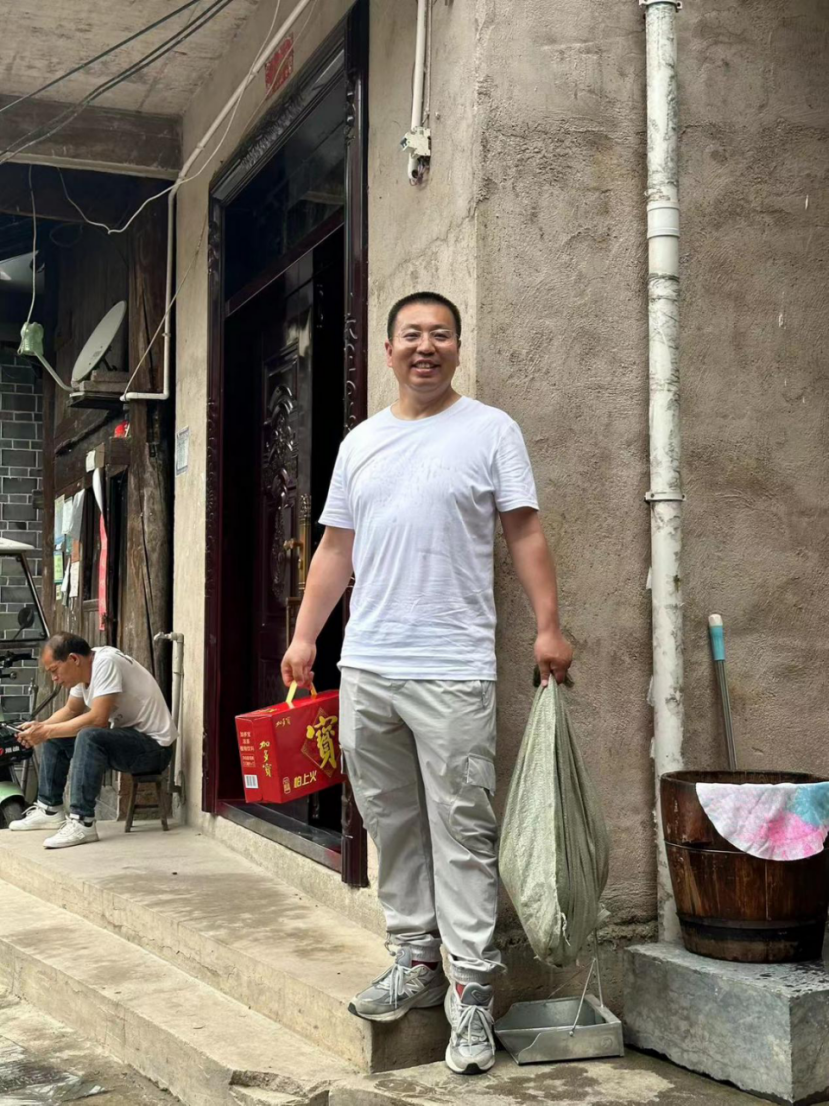
Entering the field did not mean suddenly gaining a special identity. It meant slowly learning how to knock, what to bring, when to ask, and when a conversation did not need to become an interview at all.
Freedom also meant uncertainty. No visit guaranteed “material,” and no one owed us answers in the order we had prepared. A meal that produced no findings—or a stretch of Hmong we failed to understand—could honestly reveal how far we remained from local life.
A festival begins at the market
On our first morning, we rose early for Shidong’s market.
Before the festival, stalls ran from the old street down to the Qingshui River. People from surrounding villages arrived with medicinal plants, poultry, fighting cocks, embroidery designs, hair ornaments, household goods, and food. Each of us changed a hundred yuan into cash and chose a route through the market: some searched carefully for hair flowers, some tasted everything they could, and some stopped for a long time before a small paper design.
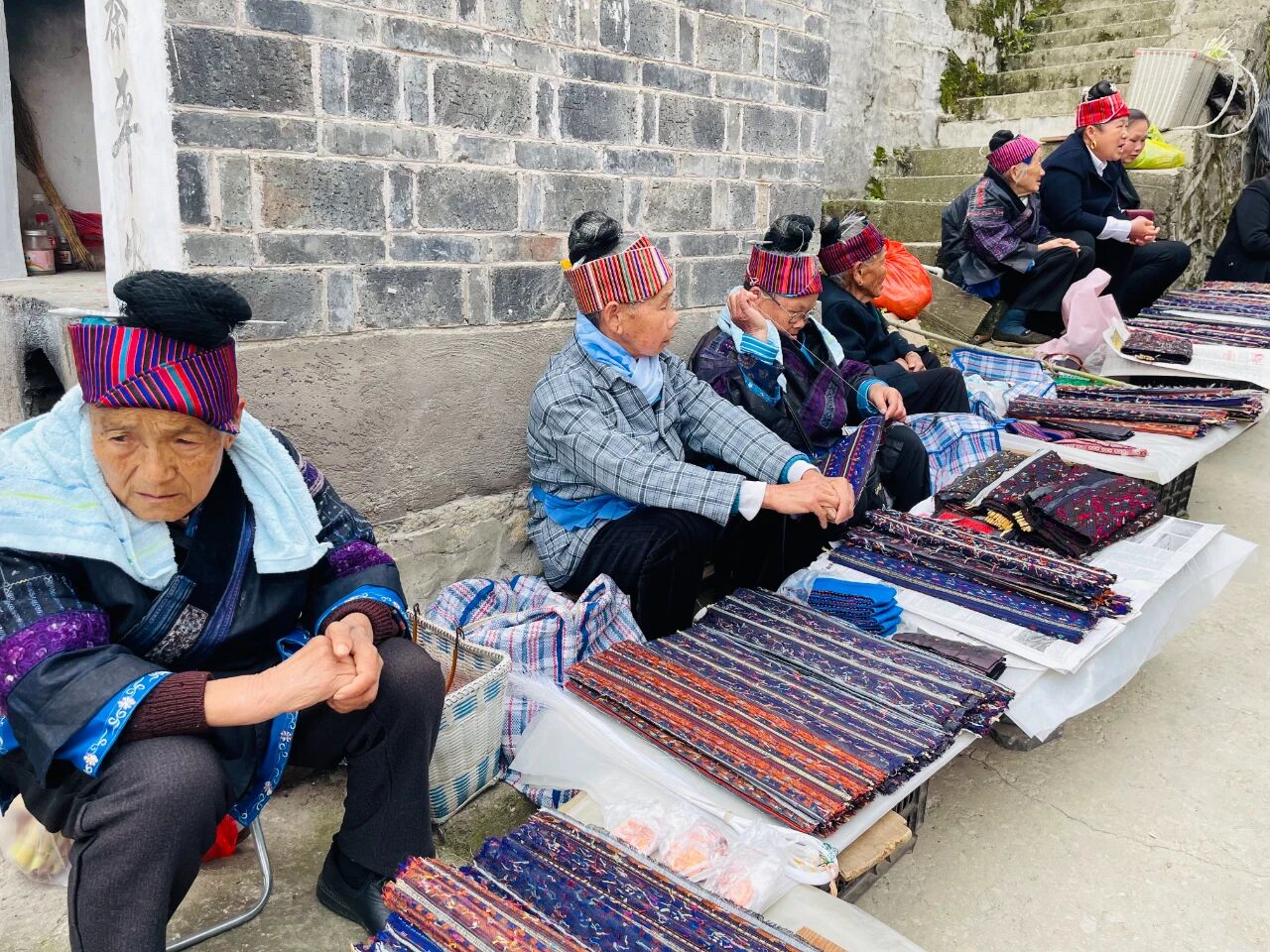
Dragons, butterflies, flowers, and tiny animals we could not name had been drawn or cut into intricate forms. The price of some designs startled us. Only after asking did we learn that these were not casual decorations. They could serve as patterns for embroidery, carrying years of compositional knowledge.
The Sisters’ Festival had not yet reached the square, but it had already begun in buying, making, and choosing: which flower would sit in a coiffure, which paper design might become a cuff, and what food a family would prepare for guests.
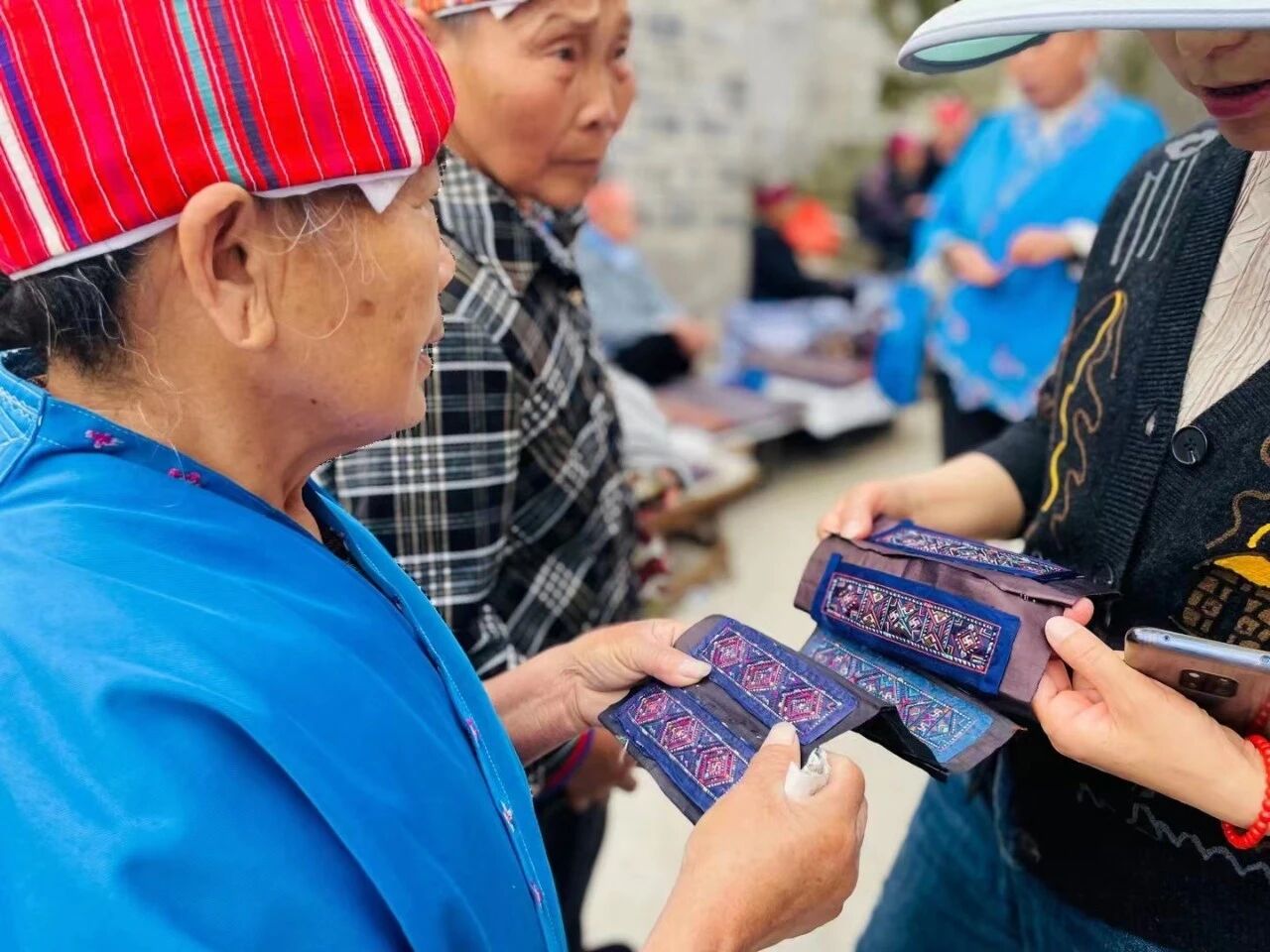
Patterns held stories and prices. Ceremonial clothing entered a rite through materials, labour, and trade. At the market, culture and livelihood were never neatly separate.
Following a welcome procession onto the highway
We joined the long procession from Pianzhal as it moved along the highway.
Two men at the front held a red banner almost as wide as the road. Behind them, someone carried a Bluetooth speaker playing contemporary pop at full volume. Women in glossy indigo cloth chatted as they walked; brightly coloured cartoon animals even appeared among the younger women’s embroidery.
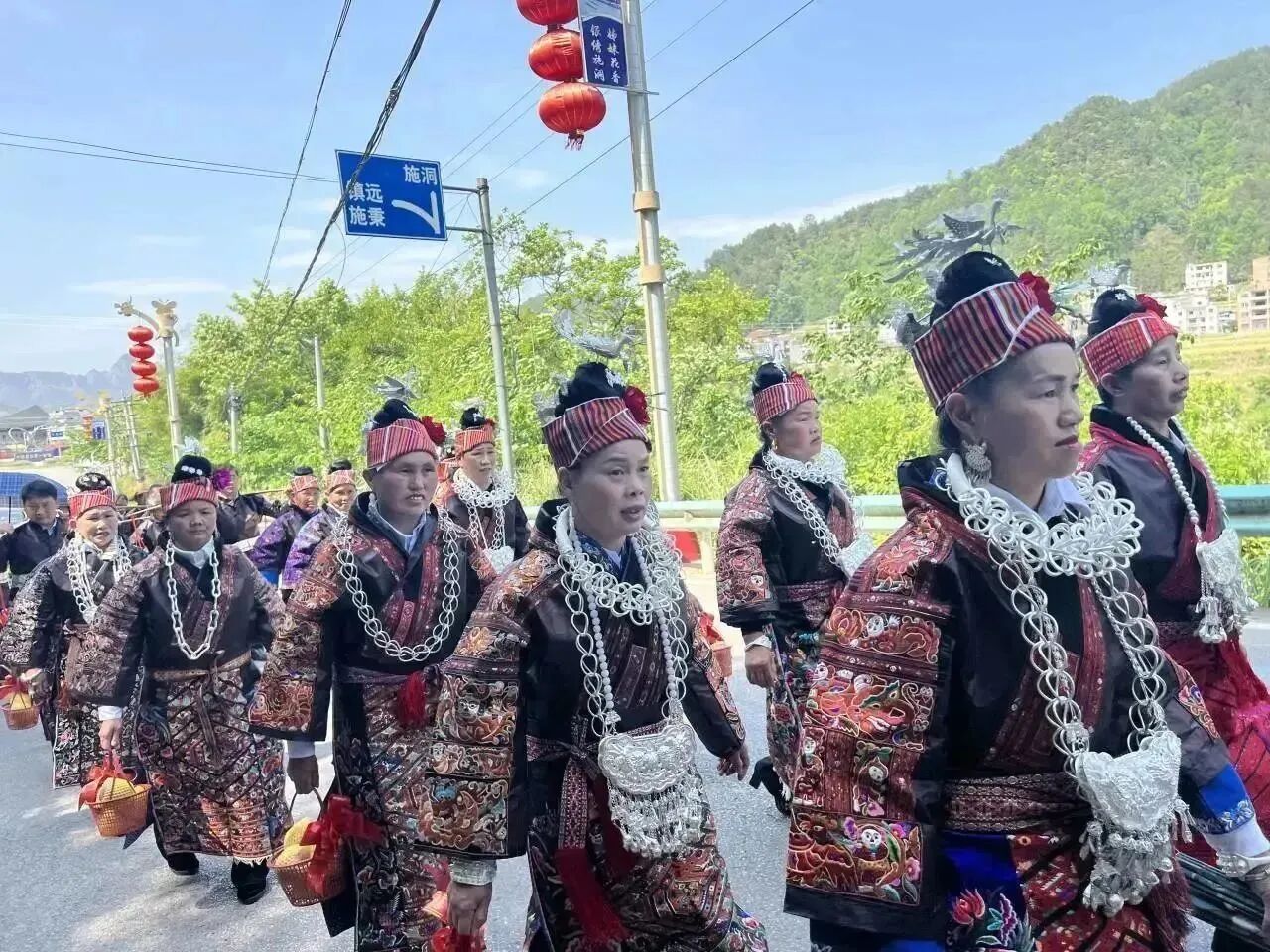
After more than twenty minutes, the processions from Pianzhal and Jiuzhai met at a junction. The visiting women from Jiuzhai wore complete ceremonial ensembles—silver jackets, pleated skirts, and elaborate headdresses. Some walked in high heels. Despite the heat, they brought their most formal selves to the host village. People we spoke with in Pianzhal explained that the roles of host and guest rotated among villages.
We had expected to find a boundary between “tradition” and “modernity.” The procession did not draw one for us. A red banner, a wireless speaker, pop music, inherited ceremonial dress, and cartoon motifs travelled in the same line. An outsider might find the mixture inconsistent. To those walking, it seemed entirely natural.
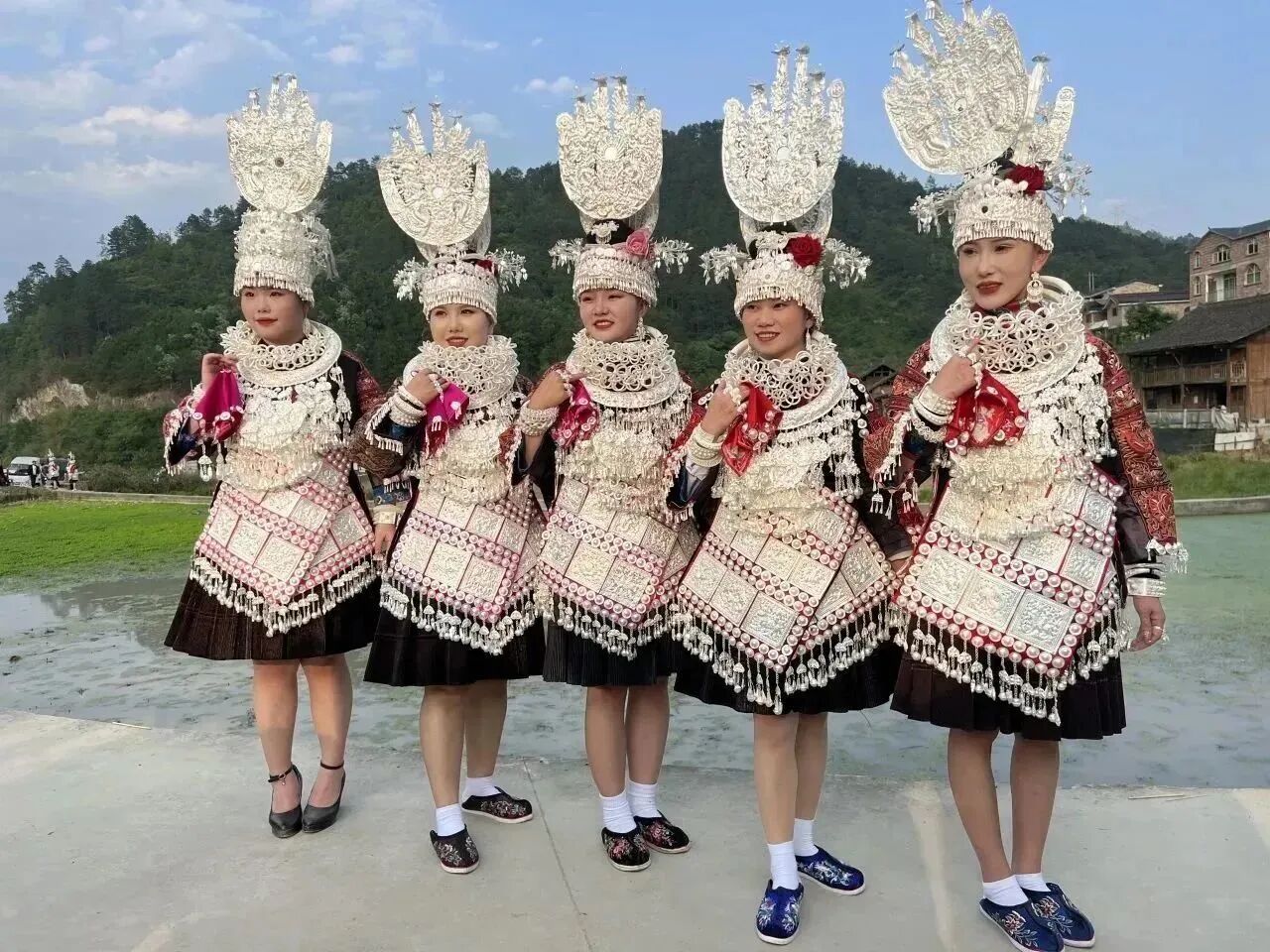
Continuity does not mean standing still. Materials, music, and taste change; people still travel towards another village in ceremonial dress and accept a host’s welcome. On that road, tradition was not a replica of the past. It was a way of doing things in the present.
A mother dresses her daughter in the festival
To understand how ceremonial clothing actually enters the Sisters’ Festival, we visited two households in Laotun.
In the first, a woman in her early twenties had her long hair shaped into the coiffure needed for her headdress. She disliked her mother’s first attempt and, half shy and half playful, asked her to start again. Her mother took it apart and did so.
The silver jacket, necklaces, bracelets, and headdress went on piece by piece. Nervousness gave way to confidence. She checked the mirror and discussed details with those around her. The beauty we later saw in the square had begun at home as work shared between mother and daughter, intimate as well as exacting.
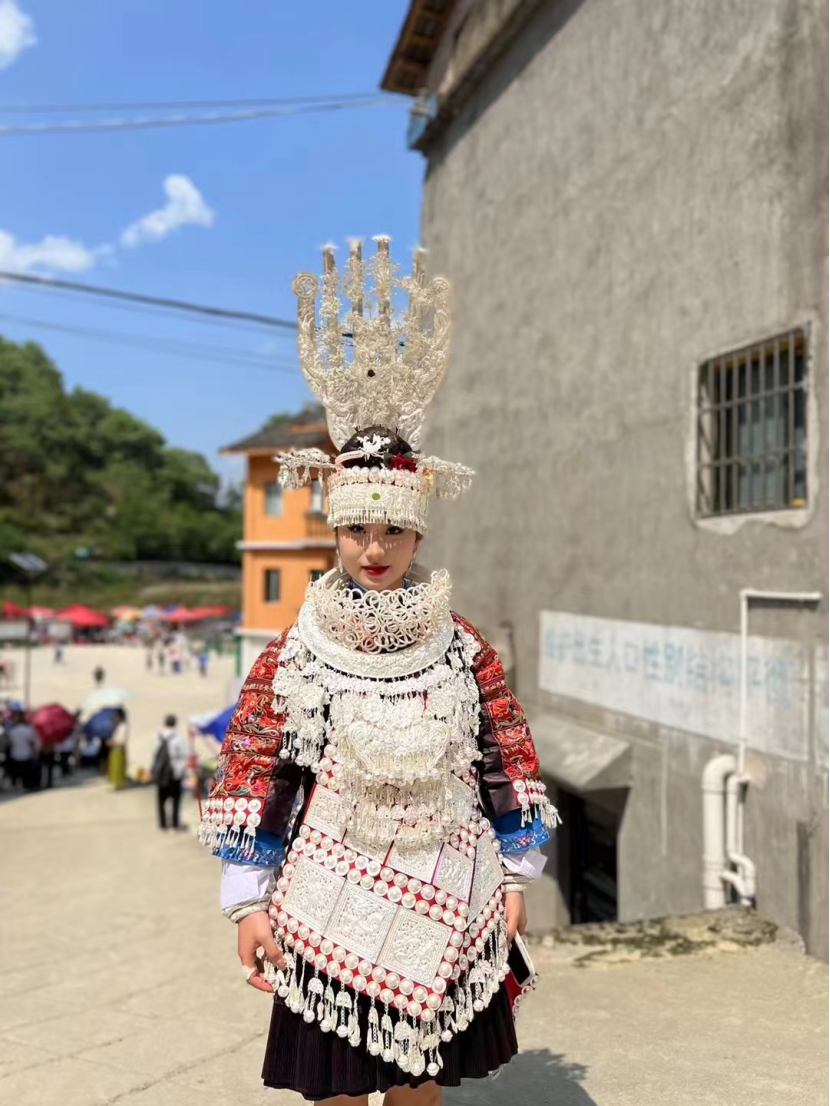
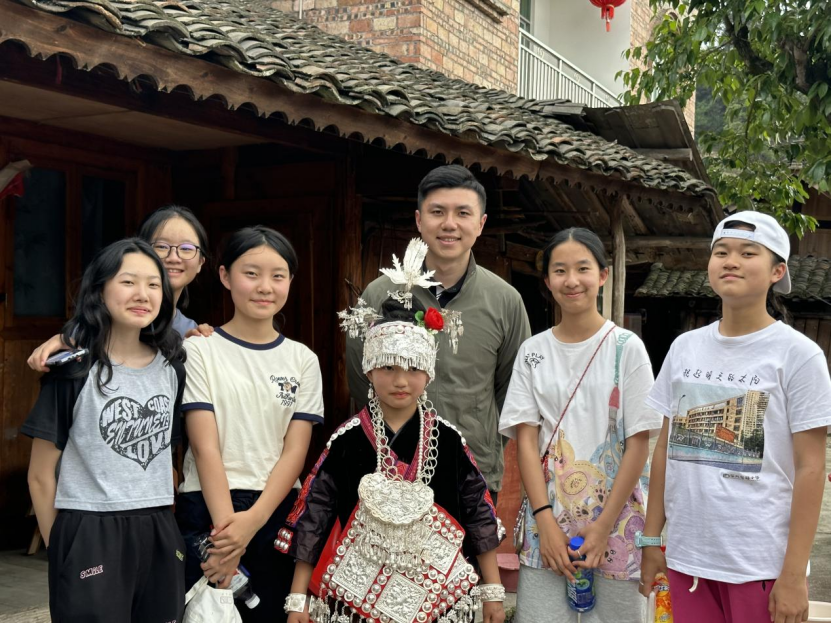
In the second household, a younger girl was preparing for her first Sisters’ Festival. The temperature approached 35 degrees Celsius, and the clothing and silver were heavy. Expectation and resignation appeared together on her face as female relatives surrounded her, checking every detail.
She may not yet have understood everything the festival meant. Through dressing, waiting, and receiving care, she had already entered it. The clothing did not exist for the camera. It belonged to the festival and the household, to the girl who wore it and to the women who arranged her hair, clothing, and silver.
Mud, drums, and clothing under the gaze
The festival included lively rural games—catching fish and ducks, cockfighting, and bird contests. The duck-catching caught us most off guard.
At the whistle, participants ran towards the ducks. Some emerged with one in each hand; others finished empty-handed. Still excited after the contest, several began flinging mud towards the bank. Photographers scattered like war correspondents under fire.
The most visually commanding scene, however, was the drum dance.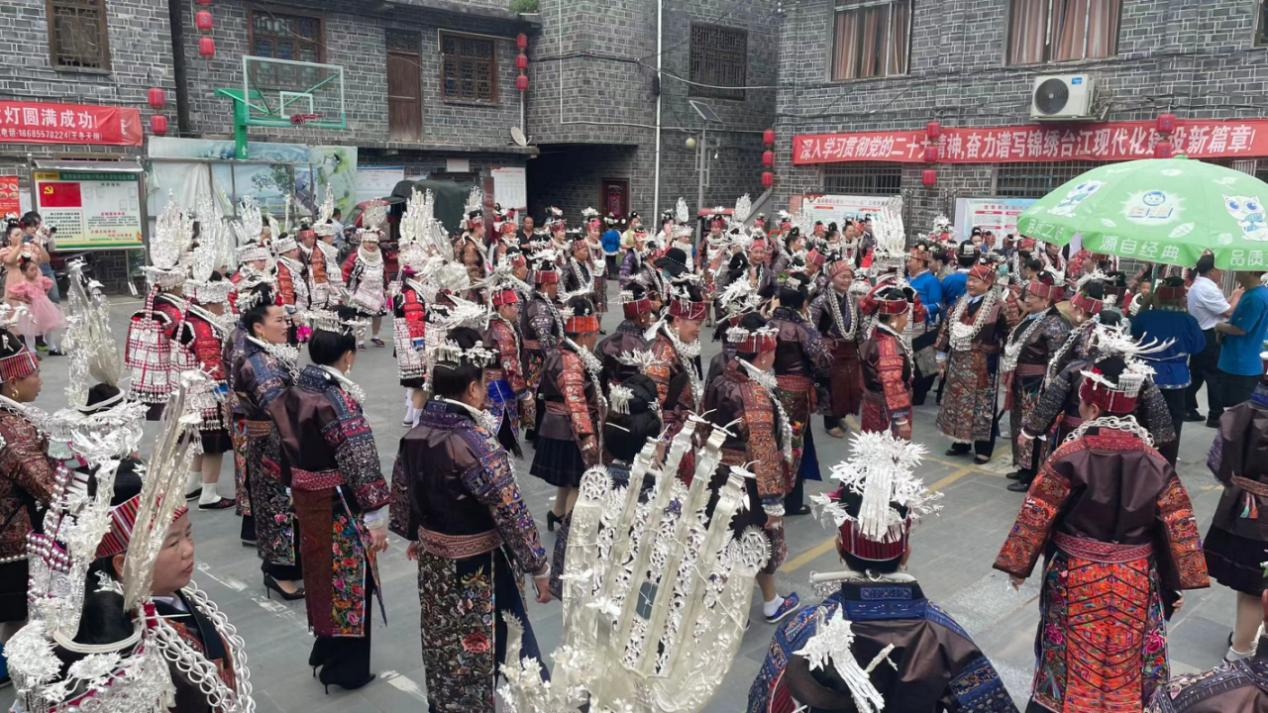
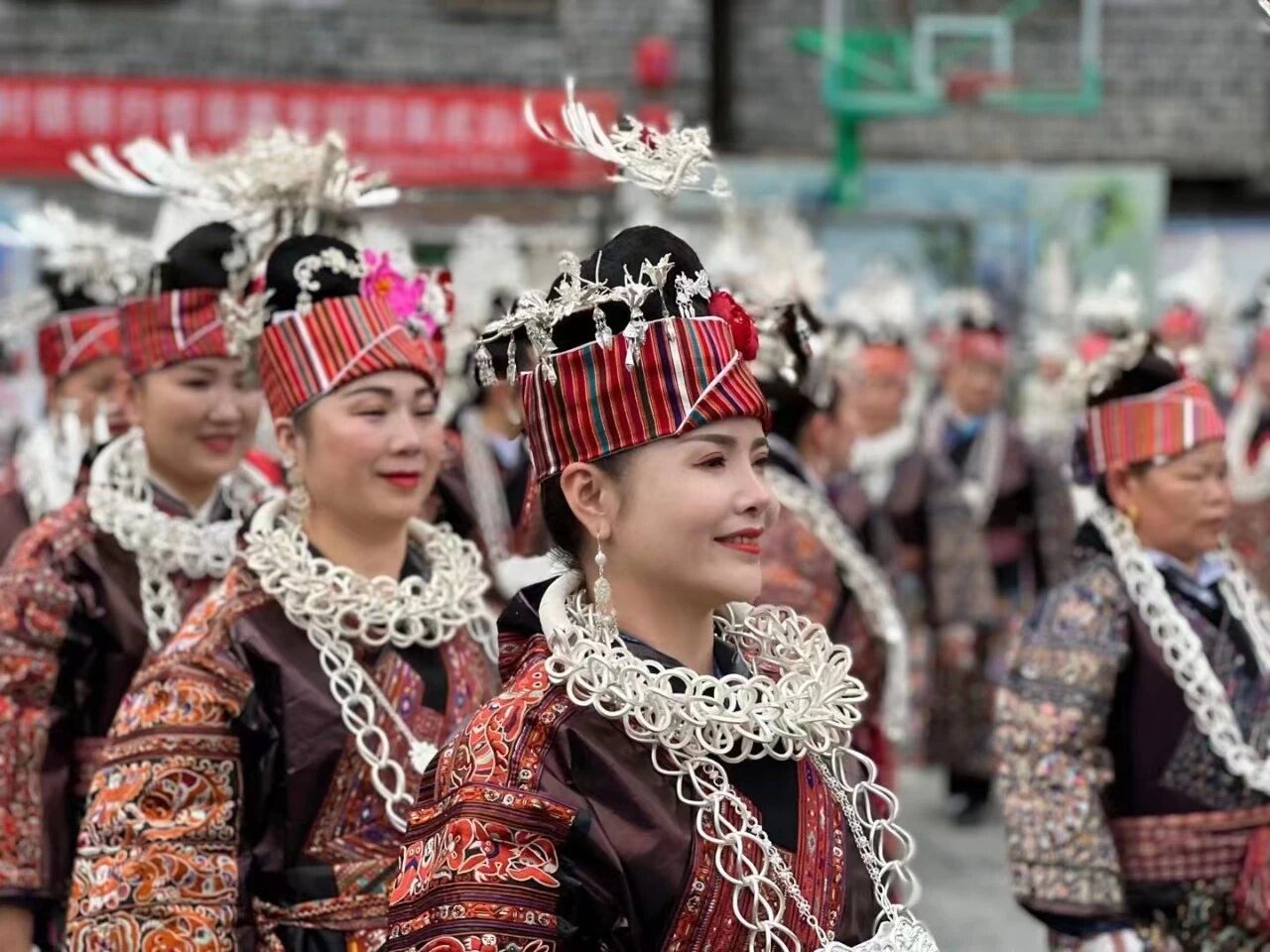
People gathered in ceremonial dress. As the drum began, dancers formed a circle facing inward and shifted their steps to the rhythm. Silver moved in the sun; its clear ringing layered over the beat. Young people, elders, and children all entered the circle.
Like many outside visitors, we first felt the visual force of it. Tourists, photographers, researchers, and media raised their cameras. Yet a beautiful image did not automatically contain a mother’s hands shaping her daughter’s hair, the time required to make a set of clothing, or its relationships to household and village life.
We began to ask whether the “beauty” seen by outsiders was the same as beauty lived locally. Cultural communication was not only about making something visible. It also asked whether people would continue trying to understand after the first look.
Whose “Sisters’ Festival”?
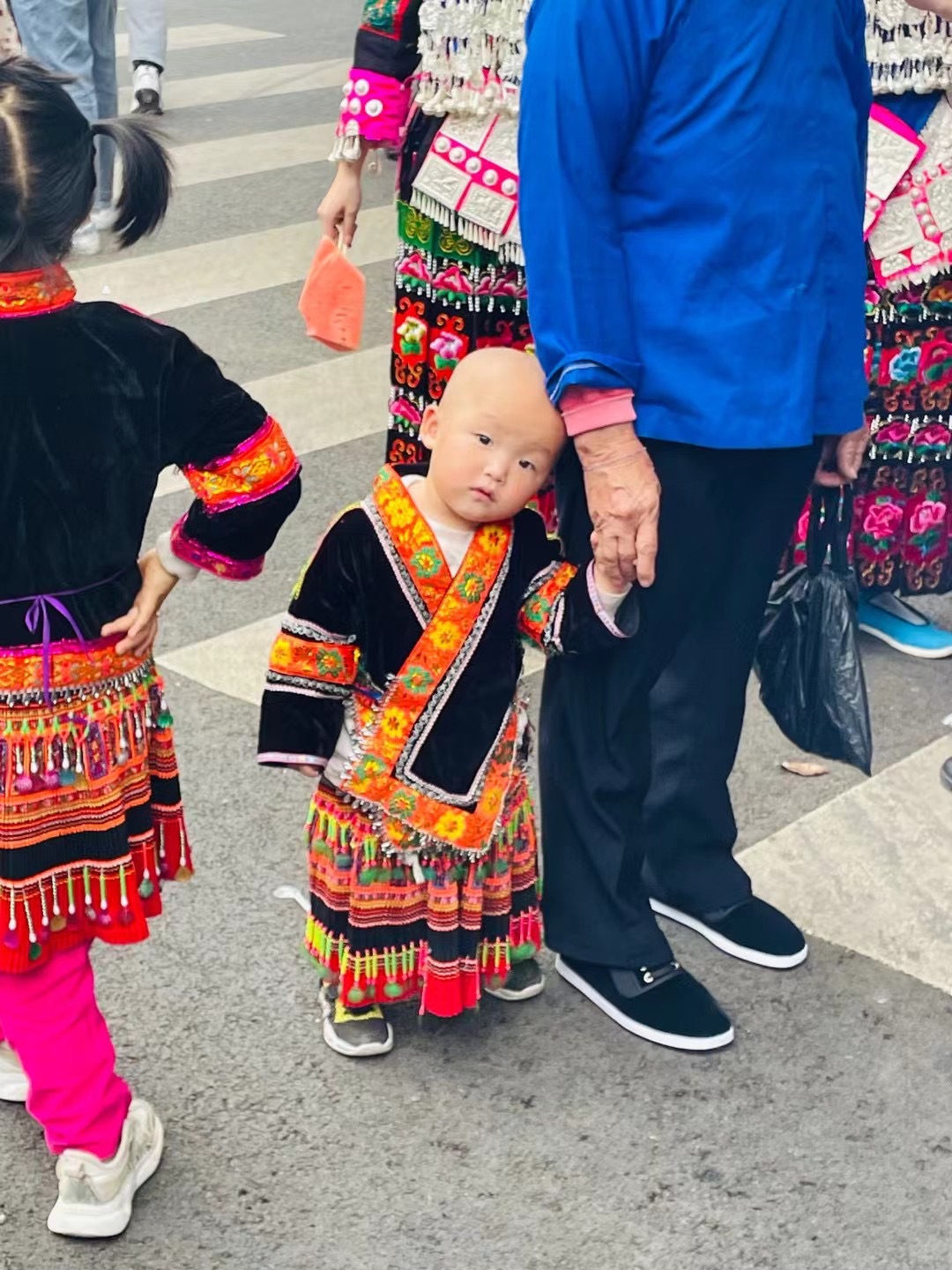
During one household meal, several young people from Pianzhal spoke about the large festival staged in Taijiang county town. Half joking and half resentful, they said the town had “stolen” a festival that belonged to them.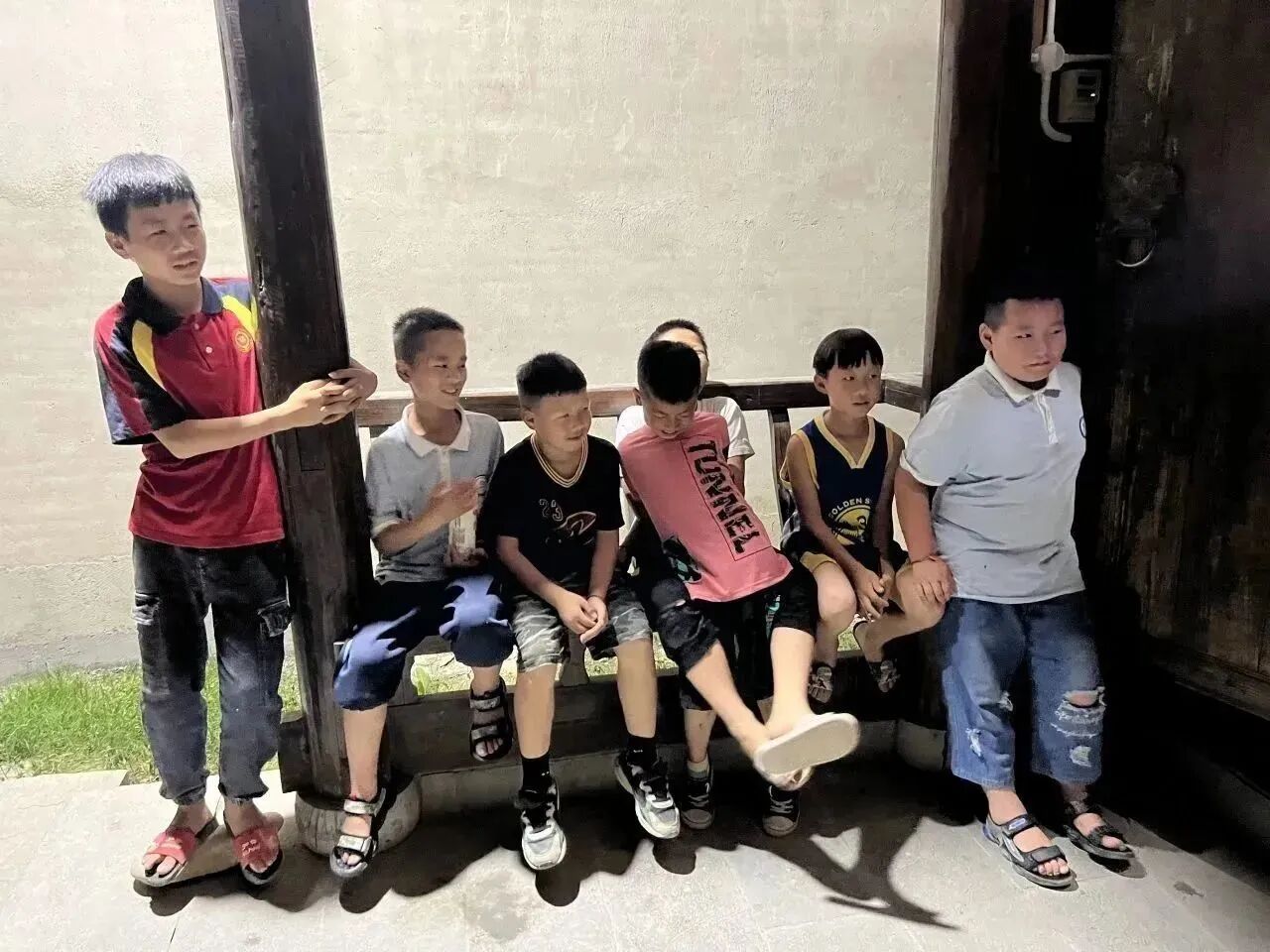
We asked when the Pianzhal festival had begun. The answer was less certain. They knew it as an inherited annual occasion and were familiar with sister rice, fishing, drumming, and other practices, but could not offer a single historical point of origin.
Later reading drew our attention to a difference between the now widely used name “Hmong Sisters’ Festival” and the local Hmong expression nongx gad liangl, often translated as “eating sisters’ rice.” In the late twentieth century, county-level public celebrations and parades began presenting the festival to a wider audience. Village practice, local naming, and public cultural events have continued to shape one another since.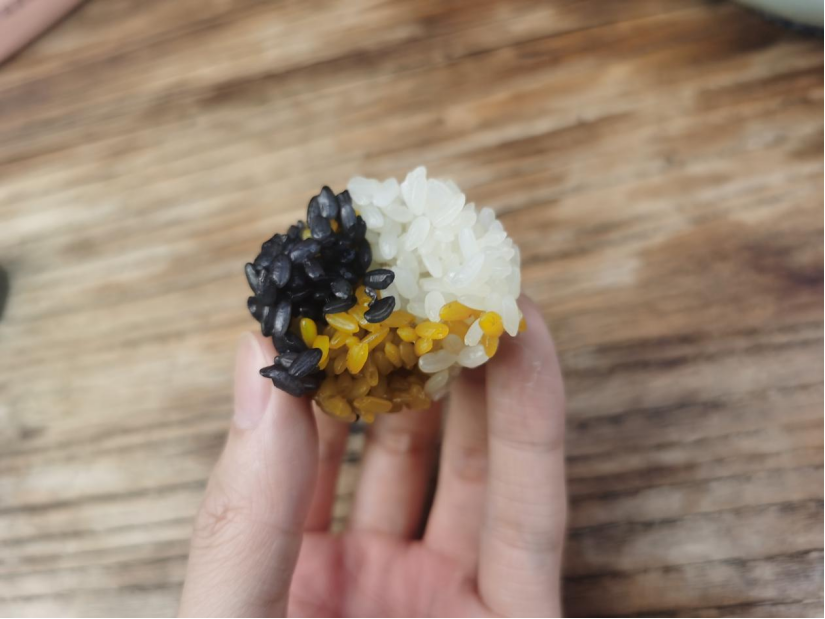
The exchange gave us no simple answer. It left a more important question: who names a festival? How do village memory, a government-organised public event, and the image known to visitors overlap beneath a single name?
From the villages to the county town
On the day of the county parade, roads had been closed kilometres away, so we approached on foot. The crowd grew thicker with every step. Processions moved forward in distinctive clothing, with lusheng pipes, dances, dugout dragon-boat scenes, and Village BA references. Silver flashed in the sun while photographers and drones searched for angles above the crowd.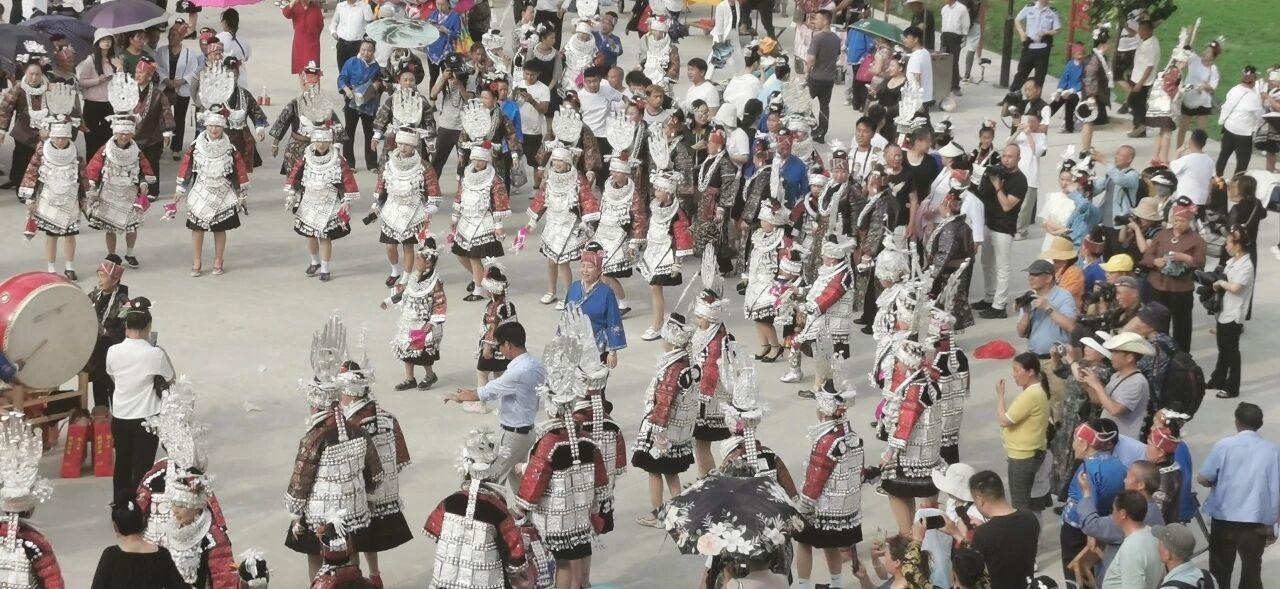
The county parade was vast and visually concentrated. In the villages, the festival was dispersed across markets, kin visits, dressing, meals, welcomes, farewells, and dancing after dark. The relationship between the two could not be reduced to “real” and “false,” but each offered a different encounter with the festival.
The parade made culture visible to many more people; it could also leave them remembering only the brightest silver and most orderly formation. Back in the villages, it was easier to see the festival embedded in household labour, kinship, and local life.
How might visitors move beyond seeing towards understanding? How can culture enter tourism and public circulation while remaining connected to actual communities, organisations, and individual lives? Nine days did not resolve those questions.
An old song beneath the night sky
On our third night, Hewan was quiet, lit by only two or three lamps.
A local singer’s slightly rough voice entered the darkness. Everyone became still. The song continued for more than half an hour. We did not understand every word, but we felt the way a voice could change the air around us.
How many people had sung this melody before? During migration, or on another night a century ago, might someone have sat beneath a similar sky and heard the same line?
On another evening in Pianzhal, people danced around a bonfire to a loud rhythm. Smiles filled the ground below; overhead, the black-blue sky remained strangely still, the moon hanging like a solitary lamp above the music.
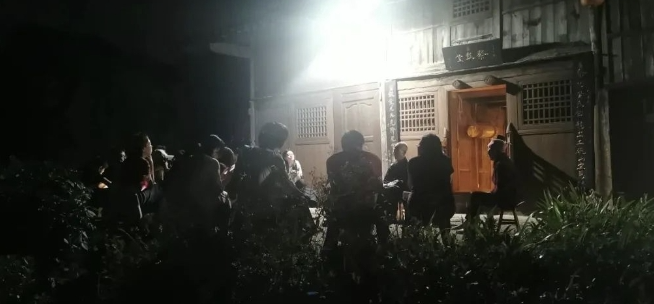
After the crowds dispersed, we remembered the fire beside the Qingshui River, the small stools carried out before the drum hall, and the light falling with the rhythm across every face.
Perhaps what moved us most was never only the silver, embroidery, songs, or festival. It was how people met again and recognised one another—how labour, kinship, memory, and pleasure gathered in the same place.
We left without a standard account of the Sisters’ Festival. What remained was an expensive paper pattern at the market, a mother arranging her daughter’s hair for the second time, photographers fleeing from mud, and a song we never fully understood but could not quite stop hearing.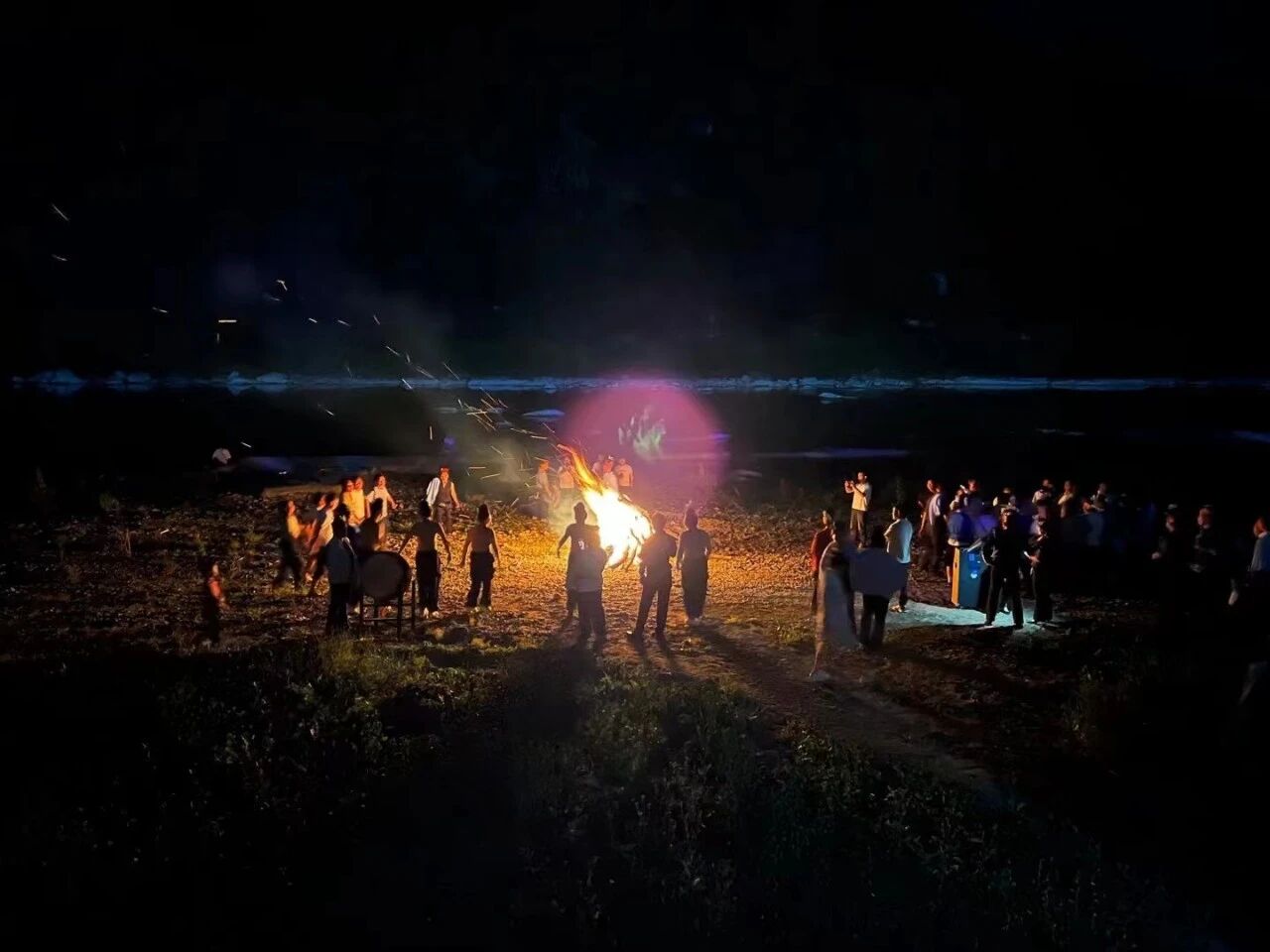
文字:
肖汉隆 Gavin 张珂源 Karen
张雅涵 Lilian 杨馨灵 Amily
辛梓诚 Corrine 张亿笛 Linda
张炜婕 Fiona 曾弘毅 David
许浩泽 Allan 陈希汶 Amy
熊浩楠 James 唐梓潇 Stephen
赵梓晴 Miya 张笑语 Owen
高正彤 Tina 周永林 Lynn
(排名不分先后)
编辑:李昊 李濡逸 赵梓晴Miya 张亿笛Linda
排版: 赵梓晴Miya 张亿笛Linda